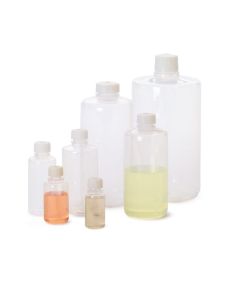
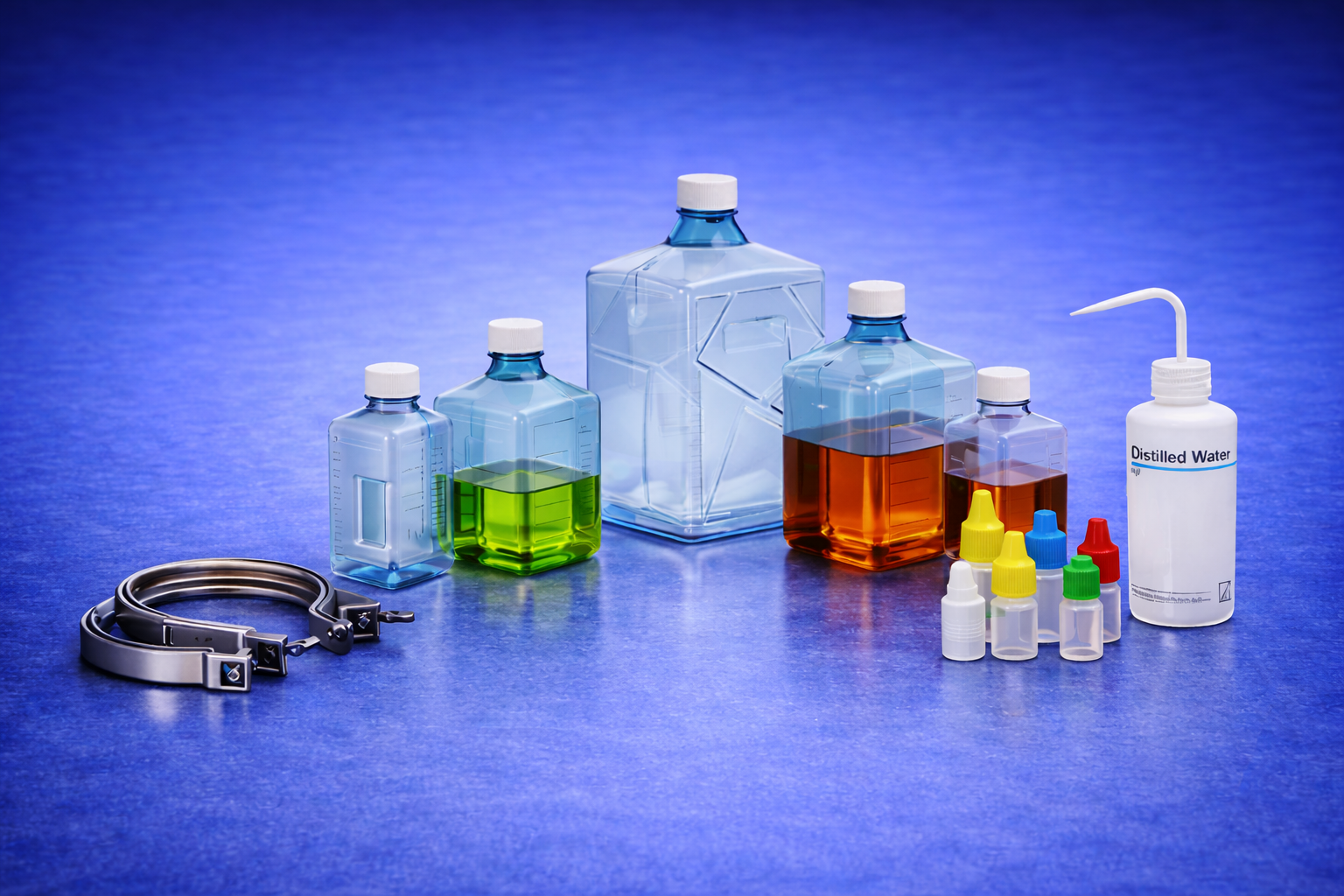



BOTTLES, JARS AND JUGS FOR LABORATORY USE

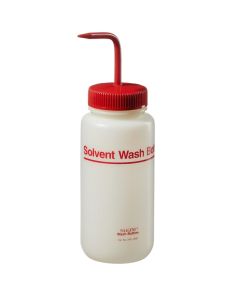
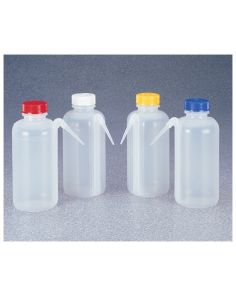
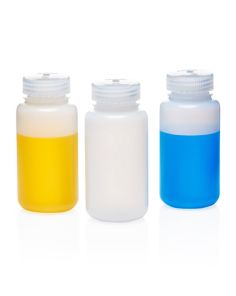
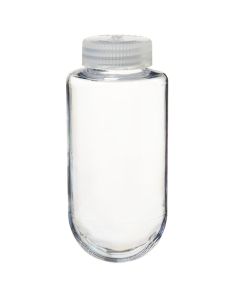
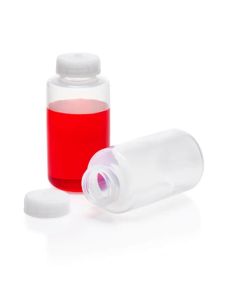
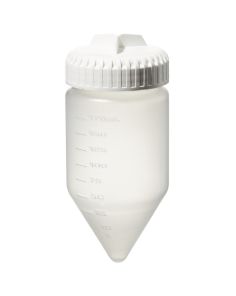
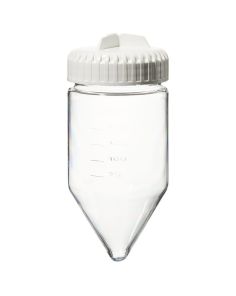
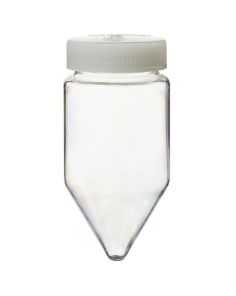
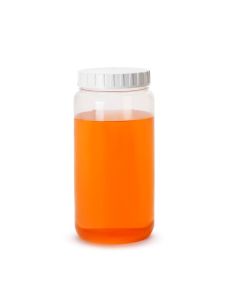
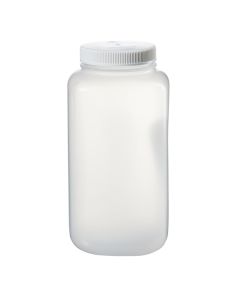
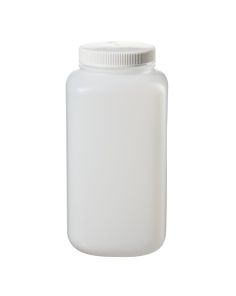
Bottles, jars, and jugs provide controlled containment for liquids and solids in laboratory workflows. Closure systems and neck geometry regulate sealing, access, and transfer. Material properties such as permeability and chemical resistance influence storage conditions. These factors determine sample stability, evaporation control, and contamination risk.
READ MORE

Bottles, Jars and Jugs

View as Grid List

Items 1-24 of 37

Set Descending Direction
  1. MAKE AN ACCOUNT

    Track your order history, save items, and more.

    LEARN MORE
  2. OFFICIAL THERMOFISHER SUPPLIER

    McQueen Labs is an authorized Thermo Fisher Scientific distributor, offering factory-direct lab equipment with full manufacturer warranties for trusted performance and reliability.

    As an official Thermo Fisher Scientific Independent Channel Partner, McQueen Labs delivers genuine Thermo Scientific products with expert support, ensuring quality and peace of mind for research and clinical laboratories.

    LEARN MORE
Page
per page

Frequently Asked Questions

How do laboratory bottles, jars, and jugs differ in their typical use?
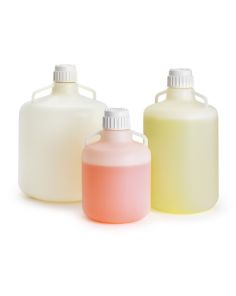
Laboratory bottles are primarily used for storing and dispensing liquids, often with controlled pouring features. Jars are designed with wide openings for easy access to solids, powders, or viscous materials. Jugs are larger-volume containers with integrated handles, making them suitable for bulk liquid storage and transport in laboratory or industrial settings.
Is it better to use glass or plastic containers for chemical storage?
Glass containers, particularly borosilicate, offer high chemical resistance and low permeability, making them suitable for many reagents and solvents. Plastic containers are lighter and more impact-resistant but may have limitations with certain chemicals. The choice depends on the chemical properties, handling conditions, and required durability.
What is the difference between HDPE and polypropylene laboratory bottles?
HDPE (high-density polyethylene) bottles provide good chemical resistance and are commonly used for general-purpose storage of acids, bases, and aqueous solutions. Polypropylene offers higher temperature resistance and can withstand autoclaving in some cases. Selection depends on thermal requirements and the specific chemicals being stored.
Are these containers compatible with refrigeration or freezing?
Many plastic containers, particularly those made from polypropylene, are suitable for low-temperature storage, including refrigeration and freezing. Glass containers can also be used if thermal shock is avoided. It is important to confirm manufacturer specifications to ensure the container material can withstand the intended temperature range.
How do I ensure proper sealing and prevent leaks during transport?
Leak prevention depends on selecting appropriate closures and ensuring proper tightening and compatibility between the cap and container. Lined caps or gasketed closures can improve sealing performance. For transport, containers should be tested for leak resistance and used in conjunction with secondary containment when required.