

LABORATORY VIALS FOR SAMPLE STORAGE AND ANALYSIS

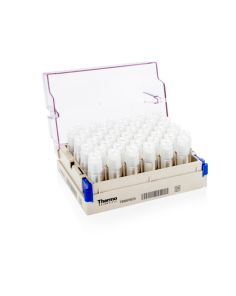
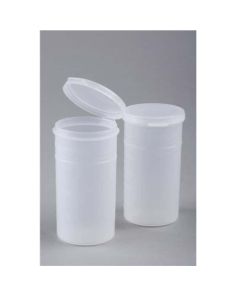
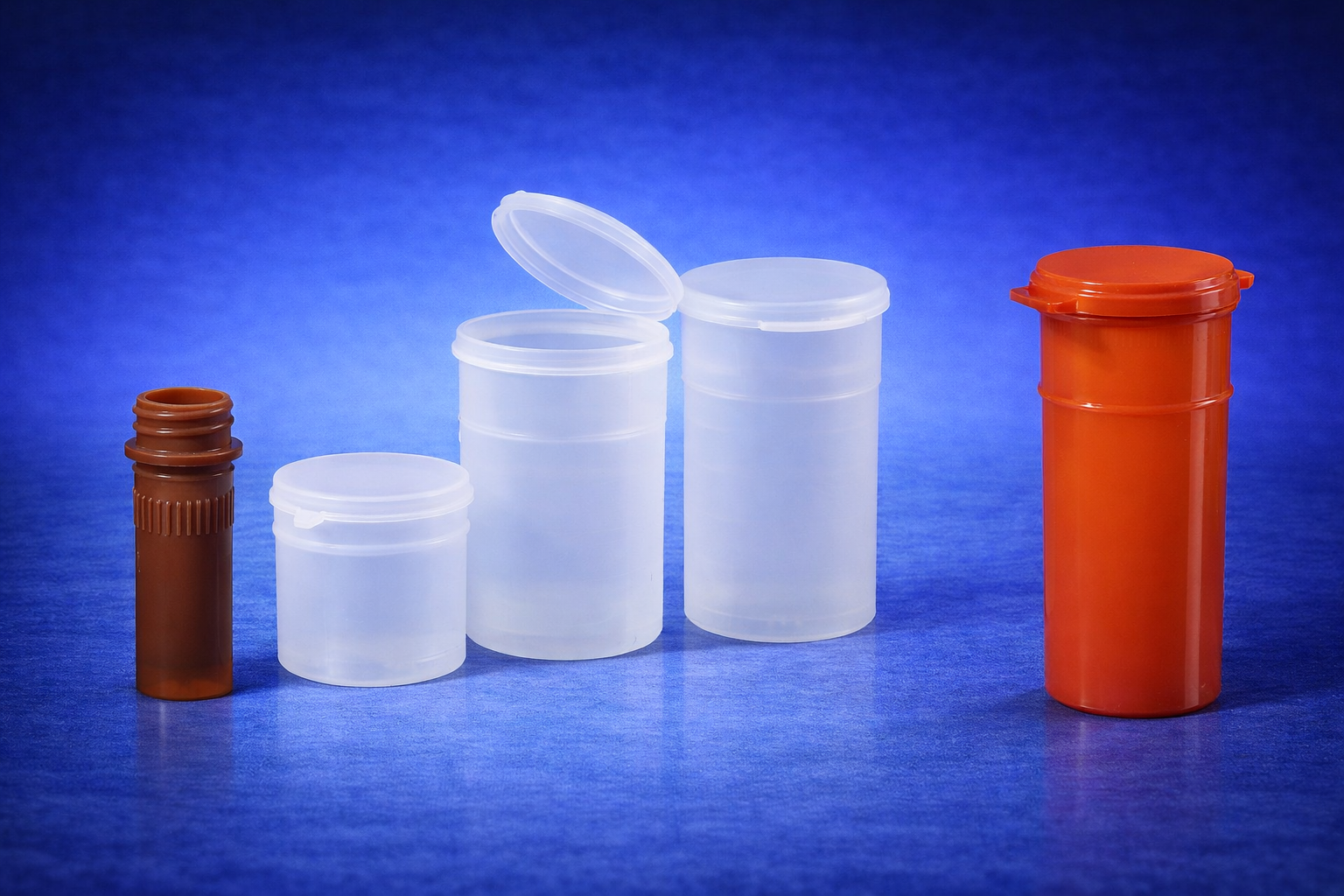
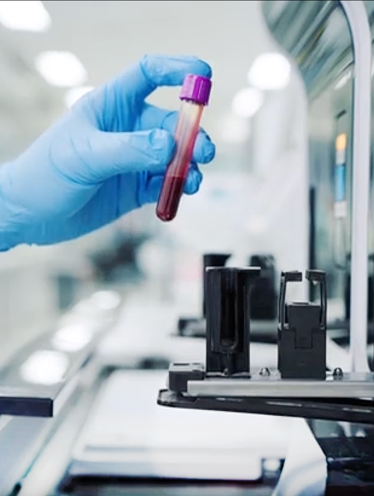
Vials contain small-volume samples for storage, transport, and analytical workflows. Standardized dimensions enable compatibility with autosamplers and chromatography systems. Closure types and septa regulate sealing and injection access. Material selection influences inertness and adsorption, directly affecting sample integrity and analytical accuracy.
READ MORE

Vials

View as Grid List

Items 1-24 of 268

Set Descending Direction
  1. MAKE AN ACCOUNT

    Track your order history, save items, and more.

    LEARN MORE
  2. OFFICIAL THERMOFISHER SUPPLIER

    McQueen Labs is an authorized Thermo Fisher Scientific distributor, offering factory-direct lab equipment with full manufacturer warranties for trusted performance and reliability.

    As an official Thermo Fisher Scientific Independent Channel Partner, McQueen Labs delivers genuine Thermo Scientific products with expert support, ensuring quality and peace of mind for research and clinical laboratories.

    LEARN MORE
Page
per page

Frequently Asked Questions

Are vials compatible with chromatography and analytical instruments?
Yes, many vials are specifically designed for use with chromatography systems such as HPLC and GC. These vials meet dimensional and material standards required for autosamplers and analytical workflows. Compatibility ensures accurate injection, minimal contamination, and consistent analytical results.
How do amber vials protect light-sensitive samples?
Amber vials are manufactured with tinted glass or plastic that reduces exposure to ultraviolet and visible light. This helps prevent degradation of light-sensitive compounds such as pharmaceuticals or biological samples. Using amber vials improves sample stability during storage and analysis.
What size vial should be used for a specific application?
Vial size should match the sample volume while allowing appropriate headspace for mixing or analysis. Common sizes range from a few milliliters for analytical applications to larger volumes for storage. Selecting the correct size ensures efficient handling and compatibility with laboratory instruments.
Can laboratory vials be reused?
Glass vials can often be reused if properly cleaned and free of residues, while plastic vials are typically single-use. Reuse depends on the application and contamination risk. For analytical or clinical workflows, single-use vials are often preferred to maintain sample integrity.
What factors should be considered when selecting laboratory vials?
Key considerations include material type, chemical compatibility, closure system, and intended application. Additional factors such as light protection, temperature resistance, and compatibility with analytical instruments should also be evaluated. Proper selection ensures reliable storage and accurate analytical performance.