
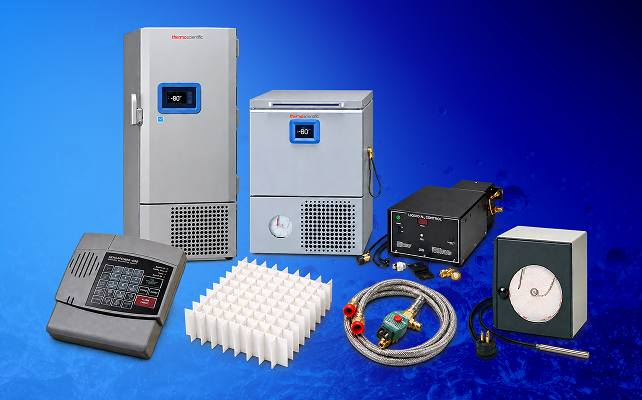
Freezers
-

-
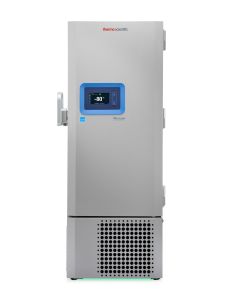 TSX Universal Series Medical Device Ultra-Low FreezersAs low as $22,878.00
 -
TSX Universal Series General Purpose Ultra-Low FreezersAs low as $11,083.00
-
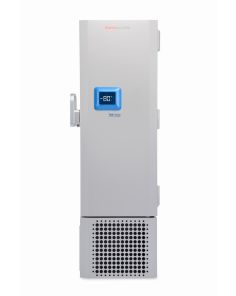
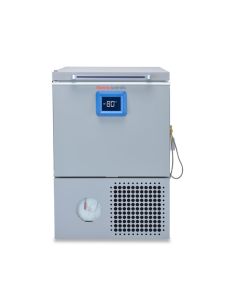
 TDE Series -40°C Ultra-Low Temperature FreezersAs low as $13,430.00
 -
-

-
 TSX Core Series General Purpose Ultra-Low FreezerAs low as $15,681.25
 -

-

-
-

-



Frequently Asked Questions
What temperature freezer do I need for my samples?
Choose a model that matches the storage temperature specified for your materials. TSE Series Laboratory Freezers are preset to −20°C; McQueen also lists TDE Series −86°C ultra-low-temperature chest freezers. For vaccines or other temperature-sensitive inventory, follow the exact product’s storage instructions rather than assuming a freezer is appropriate. Confirm the selected model’s operating range before ordering.
How do I compare freezer capacity and cabinet configuration?
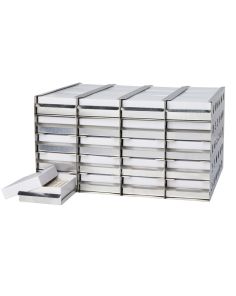
Compare container capacity and access needs as well as cabinet size. TDE Series Ultra-Low Temperature Freezers offer 300-, 400-, 500-, and 600-box configurations for two-inch boxes; chest models are listed separately. Check rack compatibility, cabinet dimensions, and electrical requirements for the exact model. Select the configuration that accommodates your inventory and available lab space.
Should I choose manual or automatic defrost?
Choose a defrost type that suits the stored materials. TSX Series High-Performance -20°C Manual Defrost Enzyme Freezers are designed for applications that cannot tolerate intermittent coil warming during automatic defrost. TSE Series Laboratory Freezers use automatic defrost. Review the material’s storage requirements and the individual freezer’s specifications before selecting either type.
Does the freezer include alarms, remote monitoring, or a backup system?
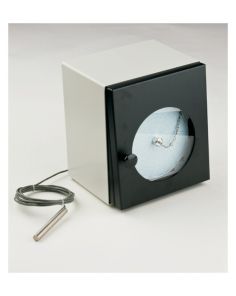
Included equipment varies by model, so review the selected freezer’s specifications and package contents. TSE Series freezers include visual high/low-temperature and door-ajar alarms. Remote monitoring and backup systems require their own compatibility checks. Browse Laboratory Remote Monitoring Systems and Freezer Packages to identify options, then confirm what is included and what must be ordered separately.
What information should I provide before requesting a freezer quote?
Provide the model or required storage temperature, container capacity, available space, electrical supply, and any monitoring or accessory requirements. Include your delivery location and ask about the delivery method, special-delivery fees, warranty, and any installation or service needs. McQueen’s Contact page accepts product questions; its shipping policy explains standard shipping and special-delivery charges.