
LABORATORY FURNACES FOR HIGH-TEMPERATURE APPLICATIONS

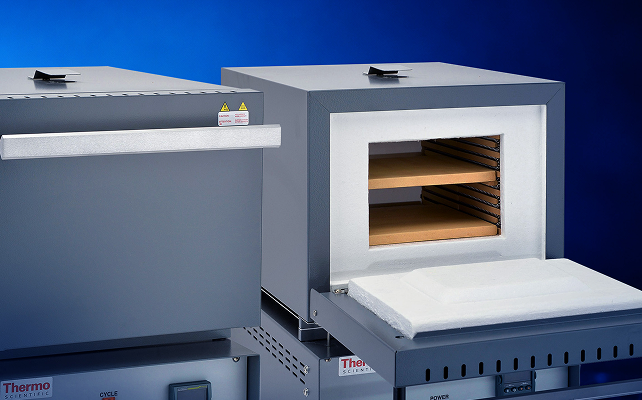
Laboratory furnaces are used for material processing, heat treatment, and high-temperature testing in research and industrial laboratories. They provide controlled heating environments with precise temperature ramping and stability.
READ MORE
Furnaces

Furnaces

View as Grid List

Items 1-24 of 26

Set Descending Direction
  1. MAKE AN ACCOUNT

    Track your order history, save items, and more.

    LEARN MORE
  2. OFFICIAL THERMOFISHER SUPPLIER

    McQueen Labs is an authorized Thermo Fisher Scientific distributor, offering factory-direct lab equipment with full manufacturer warranties for trusted performance and reliability.

    As an official Thermo Fisher Scientific Independent Channel Partner, McQueen Labs delivers genuine Thermo Scientific products with expert support, ensuring quality and peace of mind for research and clinical laboratories.
    LEARN MORE
Page
per page

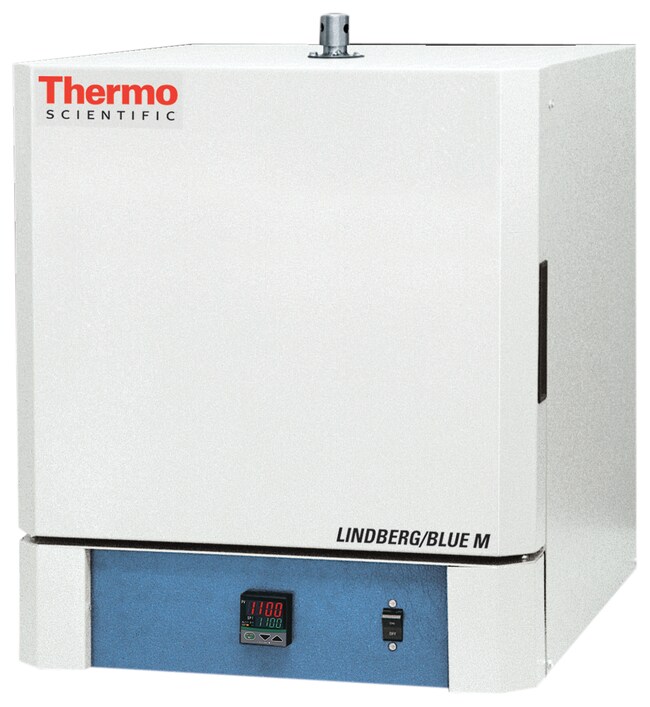
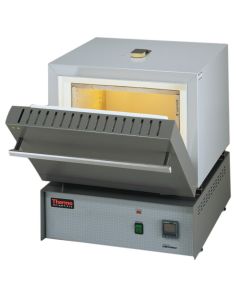
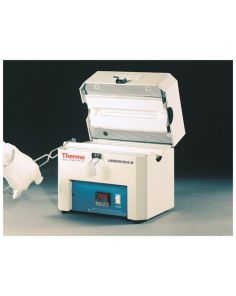
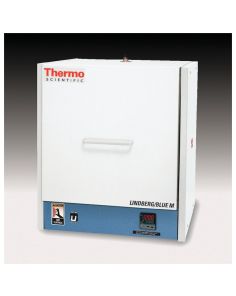
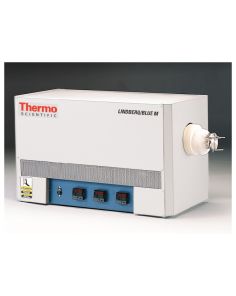
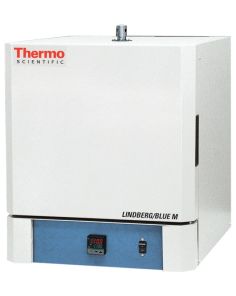
Explore Box Furnaces for chamber-based heating or Tube Furnaces for process-tube and controlled gas-flow configurations.

Frequently Asked Questions

What applications require laboratory furnaces?
Applications include material sintering, ashing, annealing, and thermal analysis.
What is the difference between a box furnace and a tube furnace?
Box furnaces provide an enclosed chamber with broad access and are commonly selected for larger samples, multiple vessels, ashing, and general heat-treatment workflows. Tube furnaces heat samples inside a process tube and are better suited to smaller samples, defined heated zones, or workflows requiring gas flow or an inert atmosphere. Selection should also account for maximum temperature, chamber or tube dimensions, controller capabilities, electrical requirements, and sample-loading method.
How is temperature uniformity maintained in furnaces?
Uniformity is achieved through insulation design, heating element placement, and control systems.
What temperature ranges do lab furnaces support?
Ranges vary by model, often extending into high-temperature regimes.
What safety features are common in lab furnaces?
Safety features include over-temperature protection and controlled heating cycles.
When is atmosphere control needed in a laboratory furnace?
Atmosphere control may be required when a process must limit oxidation, introduce an inert gas, or manage gases generated during heating. Tube furnaces are commonly considered for gas-flow and inert-atmosphere workflows, although the process tube, end seals, gas connections, and operating limits must be evaluated as a complete system. Some box furnaces provide air inlets and vents for atmosphere exchange, but this does not necessarily make the chamber gas-tight or vacuum-rated; confirm the specifications of the individual model.