


LABORATORY FLASKS FOR MIXING AND ANALYSIS

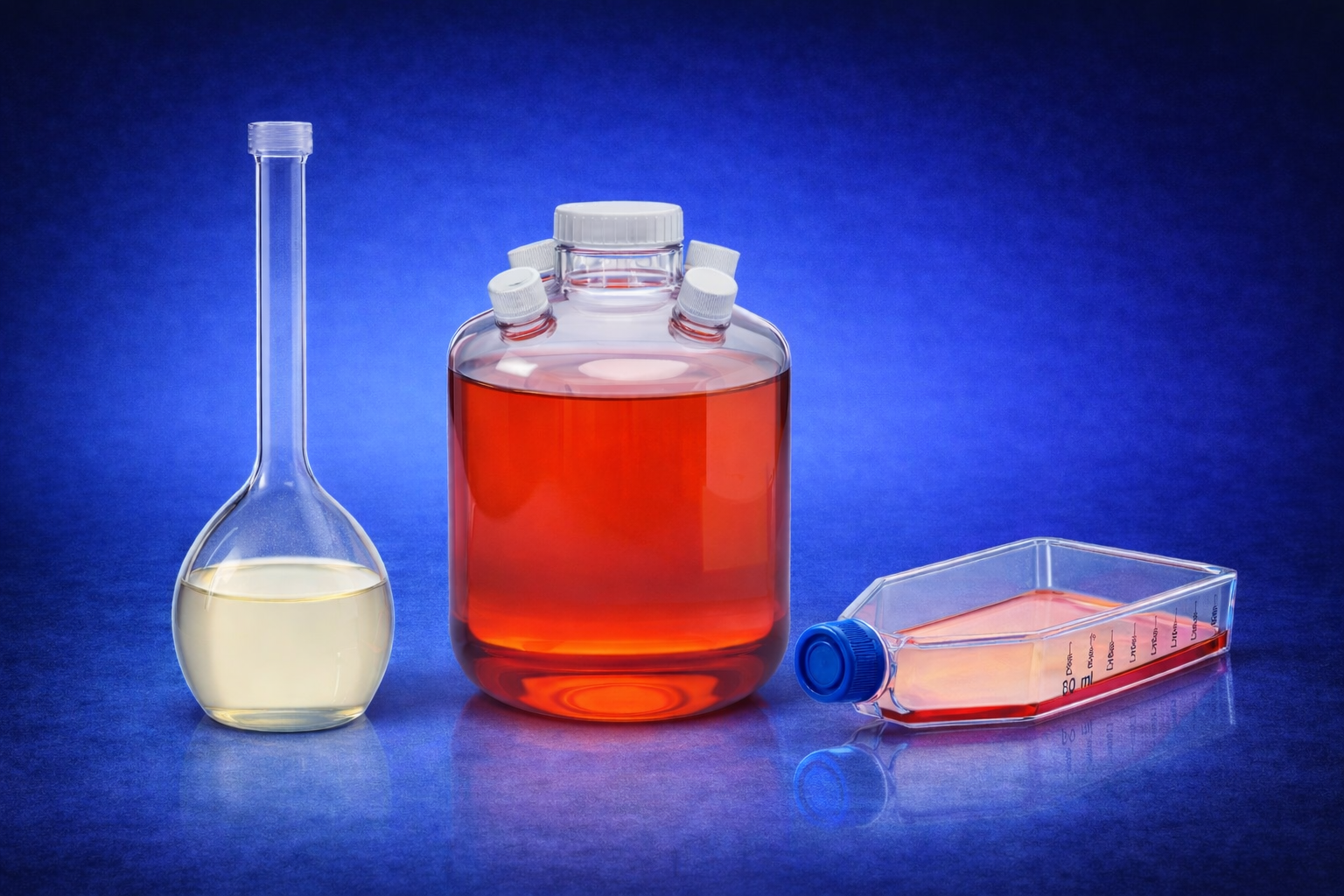
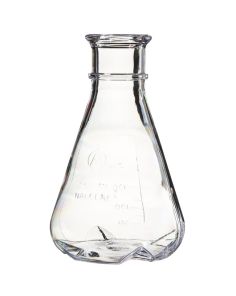
Flasks enable controlled mixing, heating, and reaction processes in laboratory workflows. Narrow neck geometry reduces evaporation and supports closed systems with stoppers or joints. Shape variations influence fluid dynamics and heat distribution during reactions. These characteristics govern reaction control, containment, and experimental reproducibility.
READ MORE

Flasks

View as Grid List

Items 1-24 of 32

Set Descending Direction
  1. MAKE AN ACCOUNT

    Track your order history, save items, and more.

    LEARN MORE
  2. OFFICIAL THERMOFISHER SUPPLIER

    McQueen Labs is an authorized Thermo Fisher Scientific distributor, offering factory-direct lab equipment with full manufacturer warranties for trusted performance and reliability.

    As an official Thermo Fisher Scientific Independent Channel Partner, McQueen Labs delivers genuine Thermo Scientific products with expert support, ensuring quality and peace of mind for research and clinical laboratories.
    LEARN MORE
Page
per page

Frequently Asked Questions

Is a laboratory flask compatible with all chemicals?
Compatibility depends on the material of the flask. Borosilicate glass is resistant to many chemicals but may be affected by strong alkalis or hydrofluoric acid. Plastic flasks offer resistance to certain substances but may not be suitable for organic solvents. Chemical compatibility should always be verified.
How do you choose the right size and type of flask?
Selection depends on the application, required volume, and whether heating or precise measurement is needed. Volumetric flasks are used for exact solutions, while Erlenmeyer or round-bottom flasks are used for mixing or reactions. Choosing the correct size helps improve efficiency and accuracy.
What is the advantage of a narrow-neck flask design?
The narrow neck reduces evaporation and limits exposure to air, helping maintain sample concentration and purity. It also allows the use of stoppers or fittings for closed systems. This design is particularly useful in reactions requiring controlled conditions or minimal contamination.
How should laboratory flasks be cleaned and maintained?
Flasks should be cleaned with laboratory detergents and rinsed thoroughly with deionized water to remove residues. For sensitive applications, additional cleaning or sterilization may be required. Regular inspection for cracks or damage ensures safe use and consistent performance.
Can laboratory flasks be used for long-term storage of liquids?
Flasks can be used for temporary storage, especially when fitted with appropriate stoppers. However, they are not typically designed for long-term storage compared to dedicated containers. For extended storage, containers with secure sealing systems are generally recommended to prevent contamination and evaporation.