
Environmental Samplers

Frequently Asked Questions
What does the Nalgene Storm Water Sampler collect?
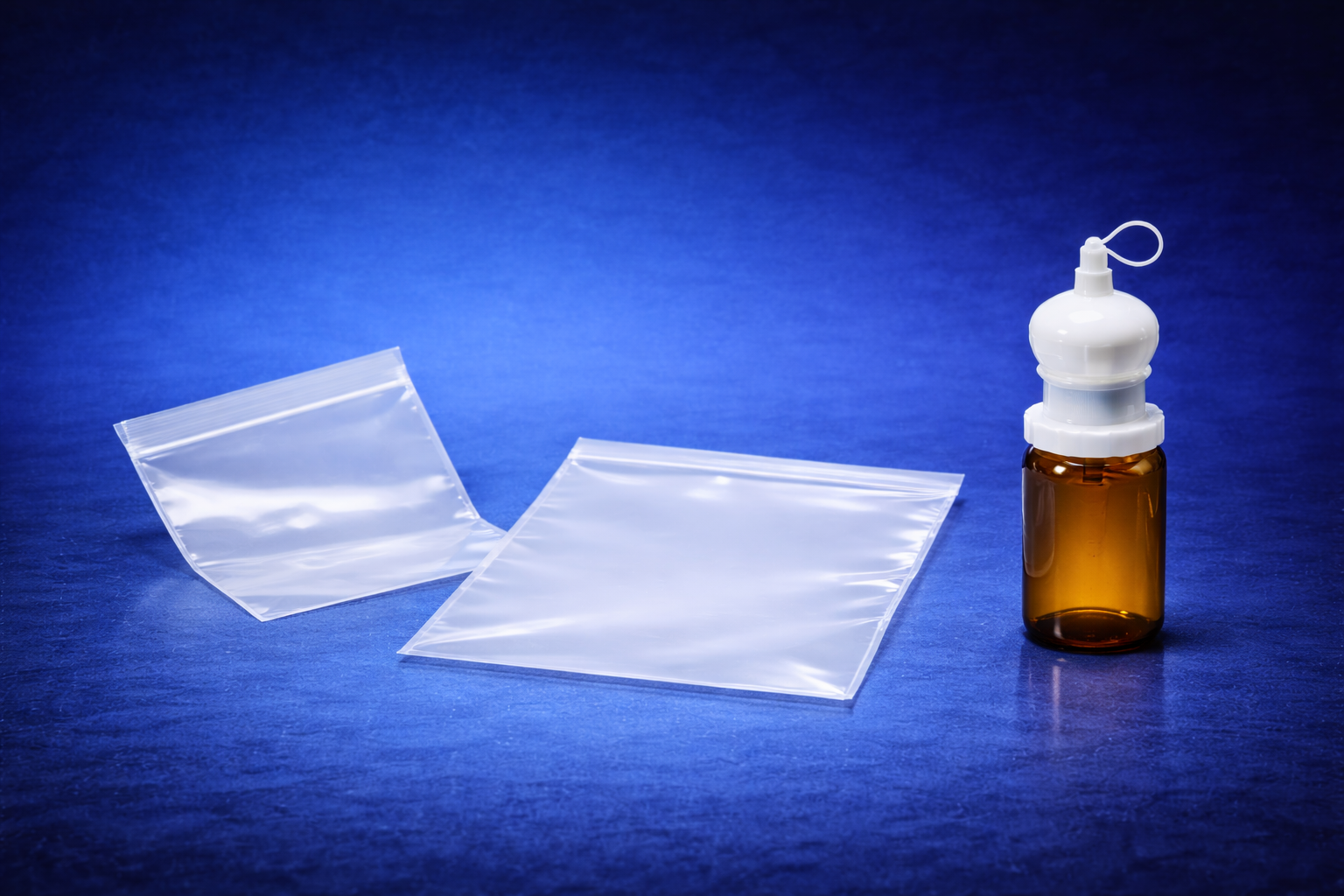
It collects a 1 L grab sample of first-flush storm-water runoff. The product page identifies storm-water ditches, streams, and storm-grate outfalls as collection locations.
Should I choose an HDPE or amber-glass storm-water sampler?
Choose according to the planned analysis. McQueen’s product page identifies the HDPE sampler for visual observations and inorganic chemistry analyses, and the amber-glass sampler with a fluorinated collection unit for organic chemistry analyses.
Are the storm-water sampler and mounting kit reusable?
The samplers are single-use and disposable; the mounting kit is reusable. The mounting kit accommodates either sampler configuration listed on the product page.
Are all products in the General Purpose Sample Bags category sample bags?
No. The General Purpose Sample Bags category lists Nalgene LDPE Sample Bags and a Sterilin cardboard bag holder. Check the item name and product details before ordering so you select a bag or holder as required.
What should I check before ordering a storm-water sampling configuration?
Check the sampler material and the selected “Includes” configuration. The product family covers samplers and mounting equipment, so confirm the listed components rather than assuming every selection contains both a sampler and mounting kit.