

LABORATORY TUBES FOR SAMPLE HANDLING AND STORAGE

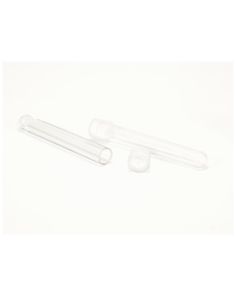
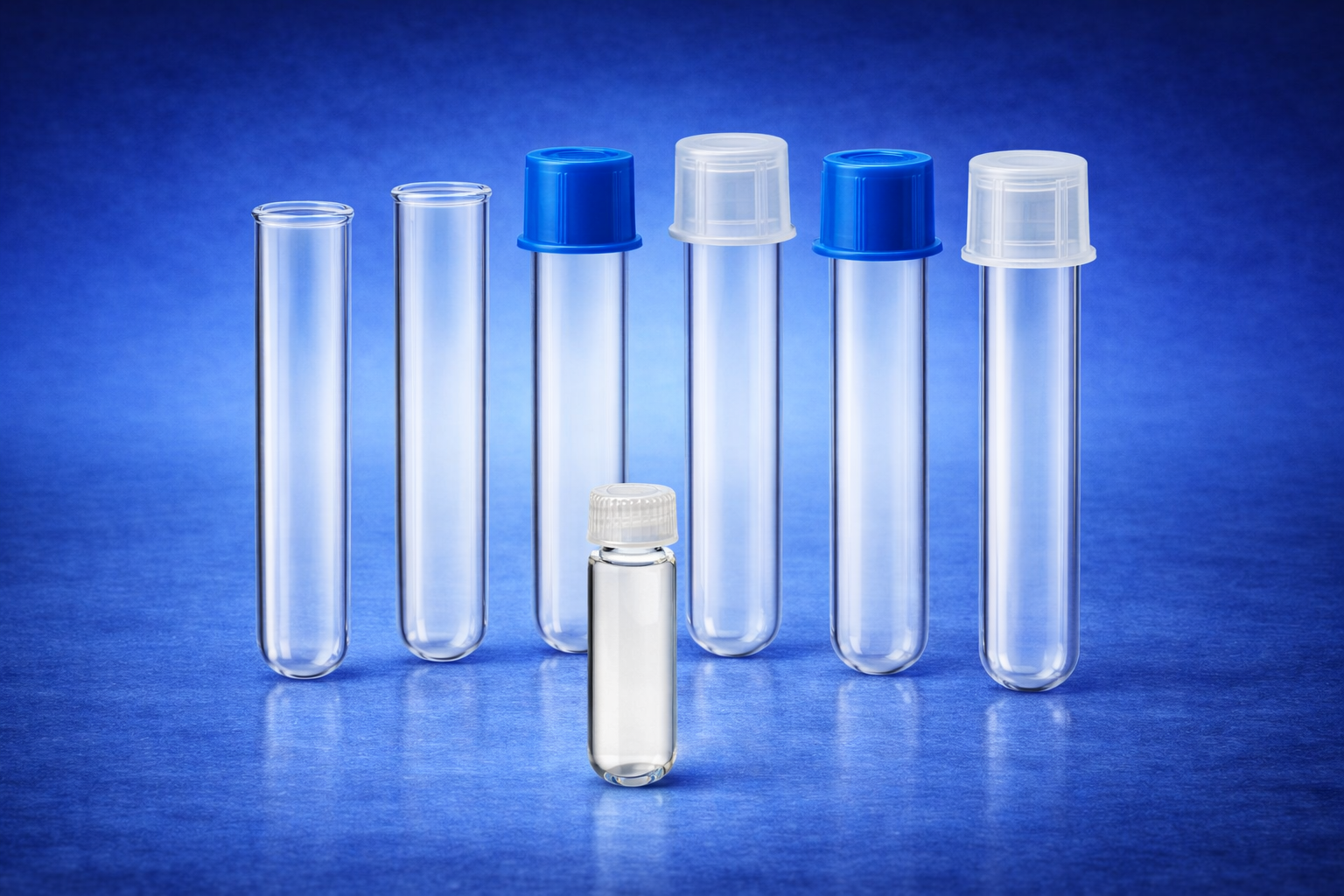
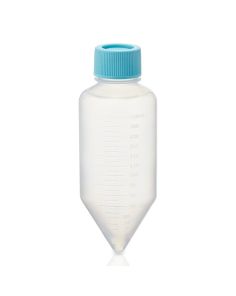
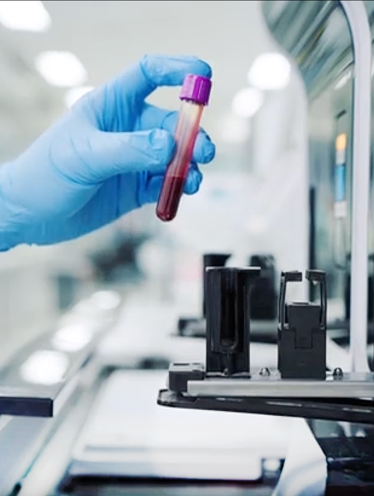
Laboratory tubes handle small-volume samples for mixing, heating, and analysis in controlled workflows. Cylindrical geometry supports uniform heat transfer and reaction observation. Materials such as borosilicate glass or polypropylene determine chemical resistance and thermal tolerance . These factors govern sample integrity, reaction control, and analytical accuracy.
READ MORE

Tubes

View as Grid List

Items 1-24 of 34

Set Descending Direction
  1. MAKE AN ACCOUNT

    Track your order history, save items, and more.

    LEARN MORE
  2. OFFICIAL THERMOFISHER SUPPLIER

    McQueen Labs is an authorized Thermo Fisher Scientific distributor, offering factory-direct lab equipment with full manufacturer warranties for trusted performance and reliability.

    As an official Thermo Fisher Scientific Independent Channel Partner, McQueen Labs delivers genuine Thermo Scientific products with expert support, ensuring quality and peace of mind for research and clinical laboratories.

    LEARN MORE
Page
per page

Frequently Asked Questions

How do tube closures affect sample storage?
Closures such as screw caps or snap caps help prevent contamination, evaporation, and leakage during storage and handling. Secure sealing is particularly important for volatile or sensitive samples. The choice of closure depends on the application and required level of containment.
Can laboratory tubes be used for heating and freezing applications?
Many tubes are designed to withstand a range of temperatures, including freezing and moderate heating. Glass tubes are suitable for higher temperatures, while polypropylene tubes can often be used in freezers. Temperature limits vary by material, so specifications should be verified before use.
How should laboratory tubes be cleaned or disposed of?
Reusable tubes, such as glass types, should be cleaned with appropriate detergents and rinsed thoroughly. Disposable plastic tubes are typically single-use and should be disposed of according to laboratory waste protocols. Proper handling ensures safety and prevents contamination.
What factors should be considered when selecting laboratory tubes?
Key factors include volume capacity, material compatibility, temperature resistance, and compatibility with equipment such as centrifuges or racks. Additional considerations include closure type and sterility requirements. Proper selection ensures reliable performance and consistent results.
How do laboratory tubes support centrifugation processes?
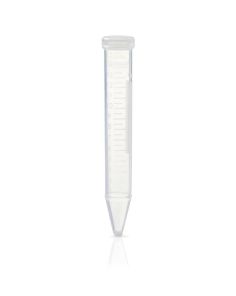
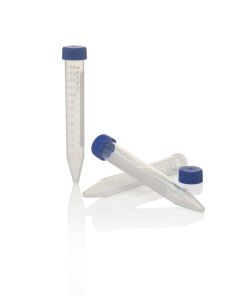
Tubes designed for centrifugation are constructed to withstand high rotational forces and often feature conical bottoms for efficient sample separation. They are compatible with specific rotor types and adapters. Using appropriate tubes ensures safe operation and accurate separation during centrifugation.