

CELL CULTURE UTENSILS FOR LABORATORY USE

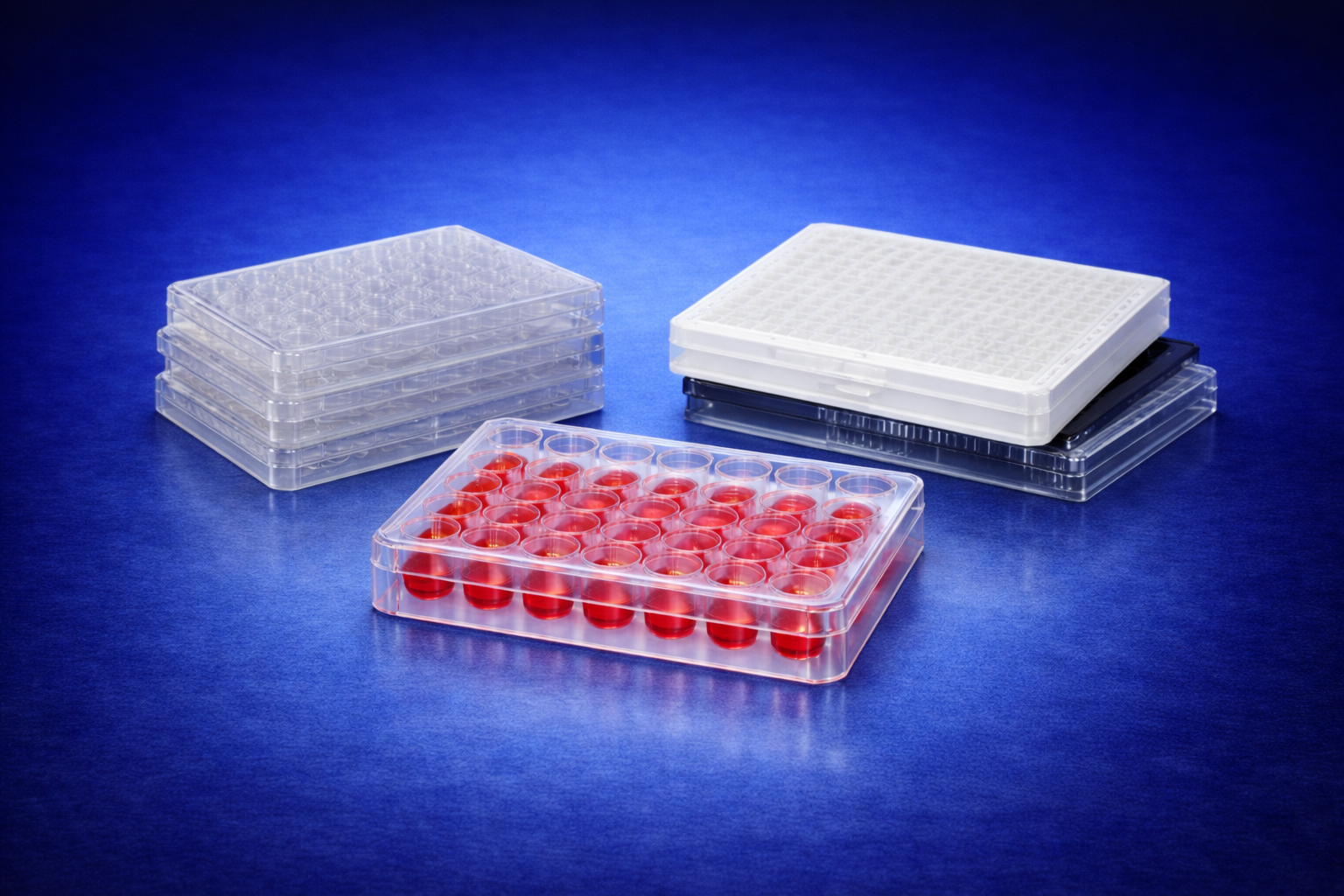
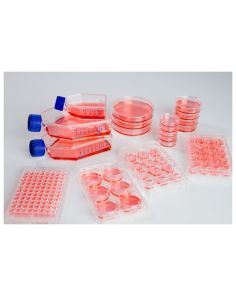
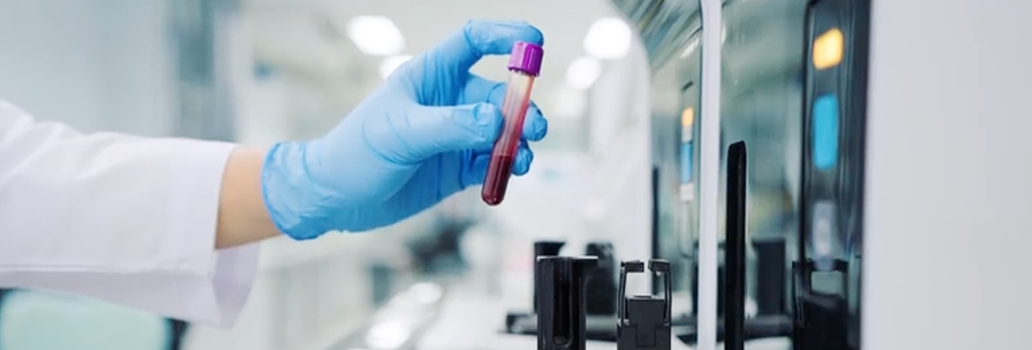
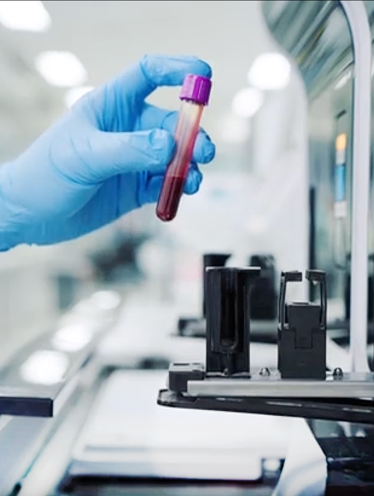
Cell culture utensils enable manipulation of cells under aseptic conditions during preparation and analysis. Tools such as scrapers, loops, and strainers facilitate cell transfer, isolation, and surface detachment . Design and sterility govern contamination control. These factors directly impact cell viability and experimental consistency.
READ MORE

Cell Culture Utensils

View as Grid List

Items 1-24 of 57

Set Descending Direction
  1. MAKE AN ACCOUNT

    Track your order history, save items, and more.

    LEARN MORE
  2. OFFICIAL THERMOFISHER SUPPLIER

    McQueen Labs is an authorized Thermo Fisher Scientific distributor, offering factory-direct lab equipment with full manufacturer warranties for trusted performance and reliability.

    As an official Thermo Fisher Scientific Independent Channel Partner, McQueen Labs delivers genuine Thermo Scientific products with expert support, ensuring quality and peace of mind for research and clinical laboratories.
    LEARN MORE
Page
per page

Frequently Asked Questions

How do cell culture utensils support sterile laboratory techniques?
Cell culture utensils are designed for use in aseptic environments and are often supplied sterile to prevent contamination. Their design minimizes contact with non-sterile surfaces, and many are single-use to eliminate cross-contamination risks. Proper handling within laminar flow hoods ensures that cells remain protected from environmental contaminants during manipulation.
What is the difference between inoculating loops and needles in cell culture?
Inoculating loops are typically used to transfer defined volumes of liquid cultures, while needles are used for precise picking or streaking of cells and microorganisms. Loops provide controlled volume transfer, whereas needles allow more targeted manipulation. The choice depends on the application and required level of precision.
Are cell scrapers safe for all types of adherent cells?
Cell scrapers can be used for many adherent cell types, but their suitability depends on cell sensitivity and experimental requirements. Some cells may be more susceptible to mechanical stress, which can affect viability. It is important to evaluate whether mechanical detachment is appropriate compared to enzymatic alternatives.
How do cell culture inserts work in co-culture systems?
Cell culture inserts typically consist of permeable membranes that allow the exchange of nutrients and signaling molecules between cell populations while keeping them physically separated. This enables the study of cell-cell interactions without direct contact. Inserts are commonly used in permeability assays and tissue modeling applications.
Are these utensils compatible with standard cell culture vessels?
Most cell culture utensils are designed to be compatible with standard culture vessels such as flasks, plates, and dishes. However, compatibility may vary depending on size, geometry, and specific application requirements. It is important to ensure that the utensil design matches the dimensions and workflow of the culture system being used.