


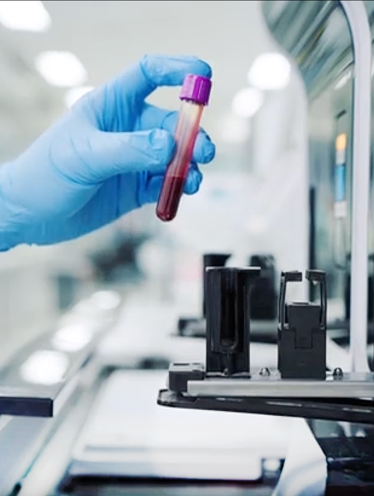
COLD STORAGE PRODUCTS FOR LABORATORY USE

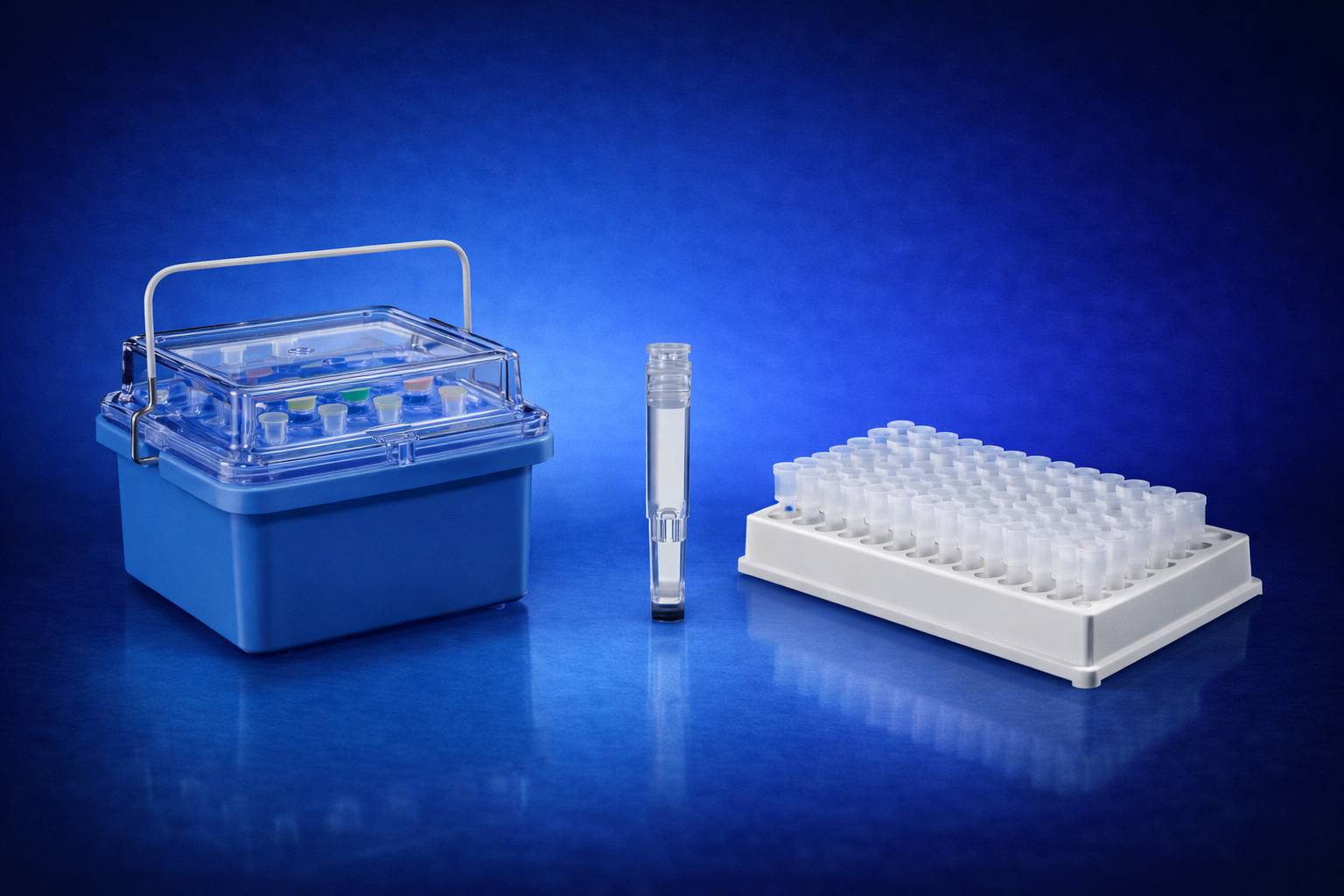
Cold storage products maintain controlled low-temperature environments for preserving samples and reagents. Systems include freezers, cryogenic storage, and insulated containers that limit thermal transfer. Temperature range and insulation govern stability under conditions from refrigeration to cryogenic storage. These parameters directly affect degradation rates and sample viability.
READ MORE

Cold Storage Products

View as Grid List

Items 1-24 of 58

Set Descending Direction
  1. MAKE AN ACCOUNT

    Track your order history, save items, and more.

    LEARN MORE
  2. OFFICIAL THERMOFISHER SUPPLIER

    McQueen Labs is an authorized Thermo Fisher Scientific distributor, offering factory-direct lab equipment with full manufacturer warranties for trusted performance and reliability.

    As an official Thermo Fisher Scientific Independent Channel Partner, McQueen Labs delivers genuine Thermo Scientific products with expert support, ensuring quality and peace of mind for research and clinical laboratories.

    LEARN MORE
Page
per page

Frequently Asked Questions

How does cryogenic storage work for preserving biological samples?
Cryogenic storage preserves biological samples by maintaining them at extremely low temperatures, typically below -150°C, using liquid nitrogen or specialized systems. At these temperatures, metabolic and chemical processes are effectively halted, reducing degradation. This method is commonly used for long-term preservation of cells, tissues, and other sensitive biological materials.
Are insulated containers sufficient for transporting temperature-sensitive samples?
Insulated containers are suitable for short-term transport when combined with appropriate cooling elements such as ice packs or phase change materials. They help maintain stable internal temperatures by reducing heat transfer. However, for extended transport or ultra-low temperature requirements, more specialized systems may be necessary.
What is the difference between refrigerated, frozen, and cryogenic storage?
Refrigerated storage typically maintains temperatures between 2–8°C, suitable for short-term preservation. Frozen storage operates at -20°C to -80°C for longer-term stability. Cryogenic storage uses temperatures below -150°C, significantly reducing molecular activity and allowing long-term preservation of sensitive biological materials.
How do I choose the right cold storage solution for my application?
Selection depends on the required temperature range, storage duration, and sample type. Biological samples often require lower temperatures than chemical reagents. Consider capacity, insulation performance, and compatibility with storage infrastructure to ensure the chosen solution meets operational needs.
Can cold storage products be used for both storage and transport?
Some cold storage products, such as insulated containers, are designed for both storage and transport, particularly for short durations. However, dedicated storage systems and transport containers may differ in design and performance. It is important to match the product to the intended use to maintain temperature control.