

LABORATORY DISHES FOR SAMPLE HANDLING

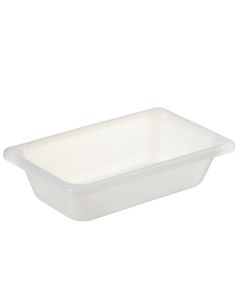
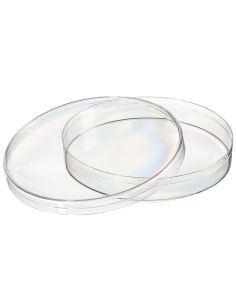
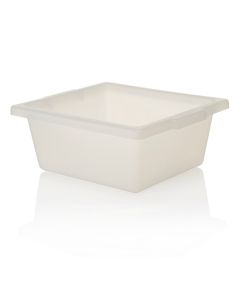
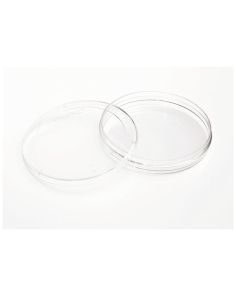
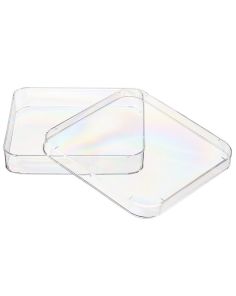
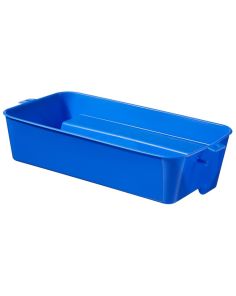
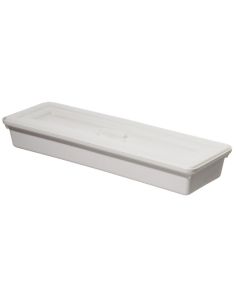
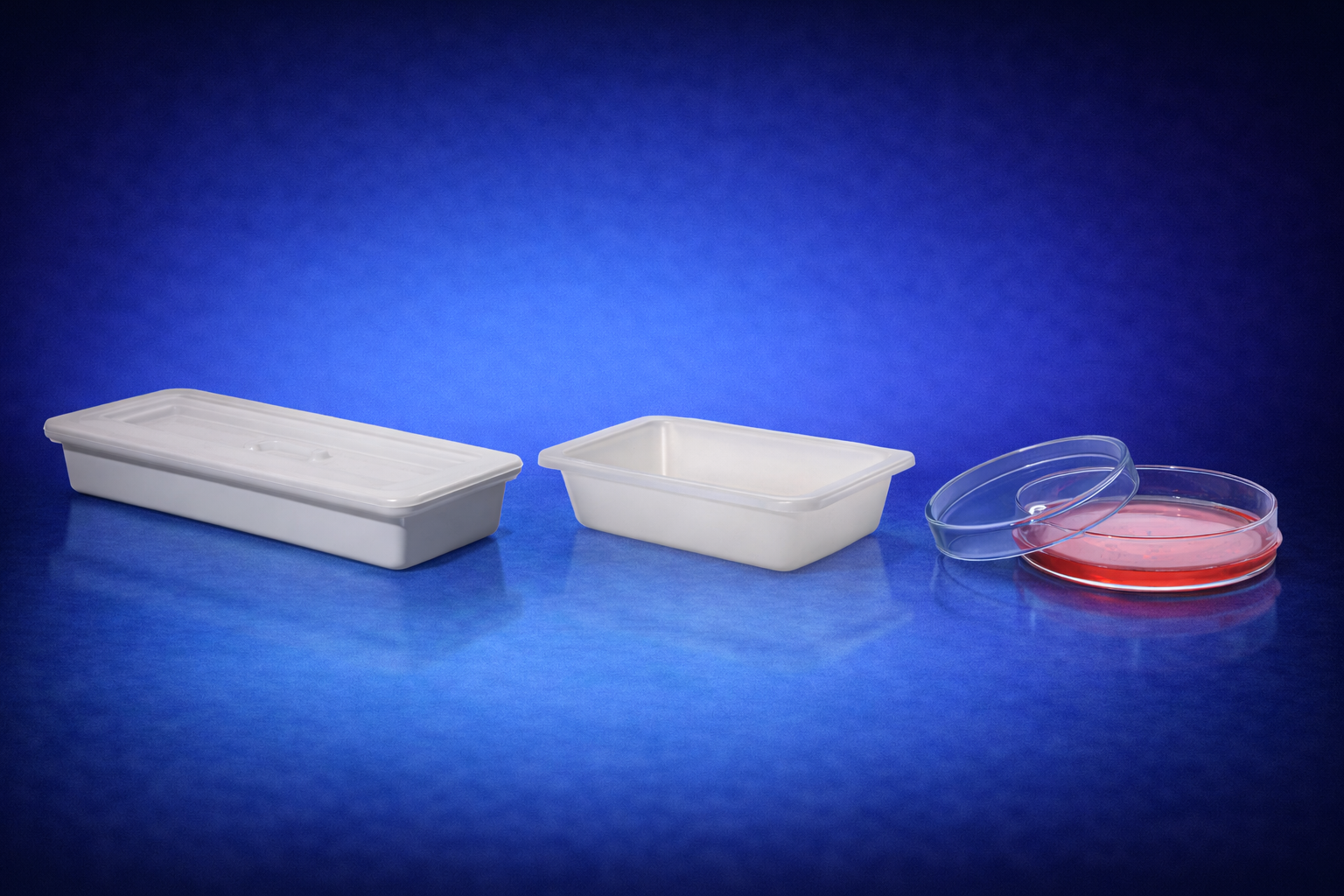
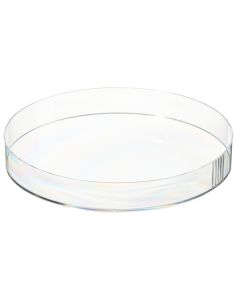
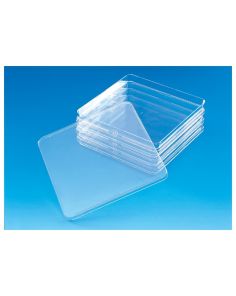
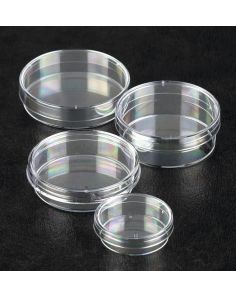
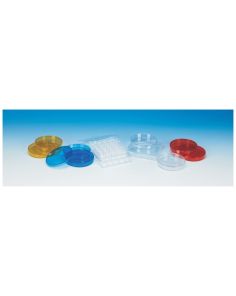
Laboratory dishes provide open, shallow surfaces for sample preparation, culturing, and evaporation workflows. Designs such as petri dishes create controlled environments for microbial growth and observation . Surface area and depth regulate evaporation and gas exchange. These factors influence growth conditions, sample visibility, and analytical consistency.
READ MORE

Dishes

View as Grid List

Items 1-24 of 66

Set Descending Direction
  1. MAKE AN ACCOUNT

    Track your order history, save items, and more.

    LEARN MORE
  2. OFFICIAL THERMOFISHER SUPPLIER

    McQueen Labs is an authorized Thermo Fisher Scientific distributor, offering factory-direct lab equipment with full manufacturer warranties for trusted performance and reliability.

    As an official Thermo Fisher Scientific Independent Channel Partner, McQueen Labs delivers genuine Thermo Scientific products with expert support, ensuring quality and peace of mind for research and clinical laboratories.

    LEARN MORE
Page
per page

Frequently Asked Questions

How does a laboratory dish differ from other types of lab containers?
Laboratory dishes are typically shallow and wide, designed to maximize surface area for processes such as evaporation, culturing, or observation. Unlike containers used for storage or measurement, dishes allow easy access and exposure of samples. This makes them suitable for applications where surface interaction, drying, or growth conditions are important.
What is the difference between a petri dish and an evaporating dish?
Petri dishes are used primarily for microbiological and cell culture applications, providing a sterile environment for organism growth. Evaporating dishes are designed for heating and solvent removal, often made from materials that withstand high temperatures. The key difference lies in their intended use and thermal properties.
Can laboratory dishes be used for cell culture applications?
Yes, petri dishes and similar formats are commonly used for cell and microbial culture. These dishes may be supplied sterile and can include surface treatments to support cell attachment and growth. Proper handling and environmental control are essential for successful culture conditions.
Are laboratory dishes suitable for high-temperature applications?
Glass evaporating dishes made from borosilicate material can withstand elevated temperatures and are suitable for heating applications. Plastic dishes are generally not designed for high temperatures and may deform. It is important to select the correct material based on thermal requirements.
How does dish size and depth affect laboratory workflows?
Dish size and depth influence surface area, sample volume, and evaporation rate. Larger, shallow dishes provide greater surface exposure for faster evaporation or culture growth, while deeper dishes accommodate larger sample volumes. Selecting the appropriate dimensions supports efficient and consistent experimental processes.