
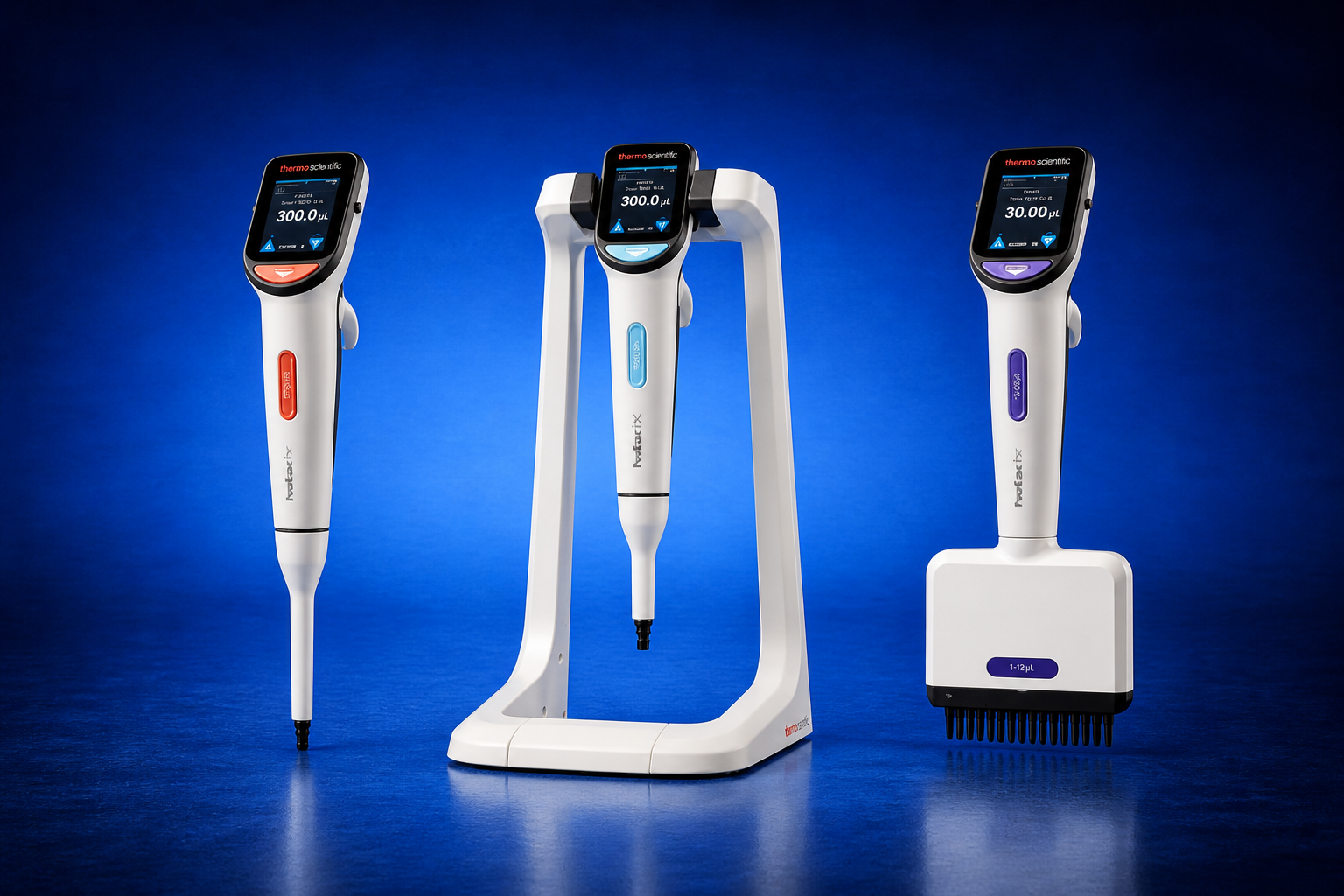


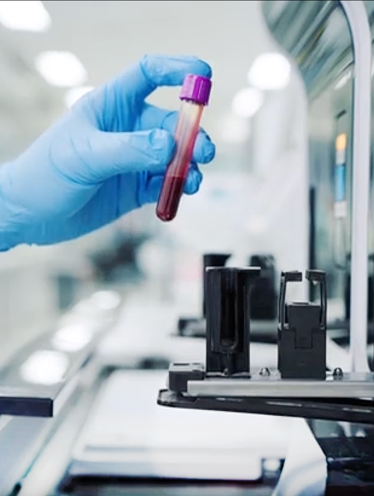
Pipette Products for Precision Liquid Handling

Pipette products control microliter liquid handling through air- or positive-displacement mechanisms. Pistons generate vacuum for aspiration and dispensing. Tip fit and calibration affect volume accuracy. These variables determine precision, repeatability, and contamination control in workflows.
READ MORE

Pipette Products

View as Grid List

13 Items

Set Descending Direction
  1. MAKE AN ACCOUNT

    Track your order history, save items, and more.

    LEARN MORE
  2. OFFICIAL THERMOFISHER SUPPLIER

    McQueen Labs is an authorized Thermo Fisher Scientific distributor, offering factory-direct lab equipment with full manufacturer warranties for trusted performance and reliability.

    As an official Thermo Fisher Scientific Independent Channel Partner, McQueen Labs delivers genuine Thermo Scientific products with expert support, ensuring quality and peace of mind for research and clinical laboratories.

    LEARN MORE
per page

Frequently Asked Questions

How do you choose the correct pipette volume range?
The pipette should be selected so the desired volume falls within the middle of its operating range, where accuracy is highest. Using a pipette at the extremes of its range can reduce precision. Matching the pipette capacity to the application ensures consistent and reproducible liquid measurements.
What is the difference between single-channel and multichannel pipettes?
Single-channel pipettes transfer liquid from one sample at a time, while multichannel pipettes can handle multiple samples simultaneously, typically in microplate formats. Multichannel systems improve efficiency in high-throughput workflows, while single-channel pipettes are used for more targeted or variable tasks.
How should pipettes be calibrated and maintained?
Pipettes should be calibrated regularly to ensure accuracy, especially in regulated environments. Maintenance includes cleaning, checking seals and pistons, and replacing worn components. Routine calibration and proper handling help maintain precision and extend the lifespan of the instrument.
Are pipettes compatible with all types of liquids?
Compatibility depends on the pipette design and materials. Standard air-displacement pipettes work well for aqueous solutions but may be less suitable for volatile or viscous liquids. Specialized pipettes or positive displacement systems may be required for challenging sample types to maintain accuracy.
What factors affect pipetting accuracy and precision?
Accuracy is influenced by pipette calibration, technique, tip quality, and environmental conditions such as temperature. Improper handling, air bubbles, or inconsistent pipetting speed can introduce variability. Following standardized techniques and using compatible tips helps ensure reliable and repeatable results.