


STOPPERS AND CLOSURES FOR LABORATORY CONTAINERS

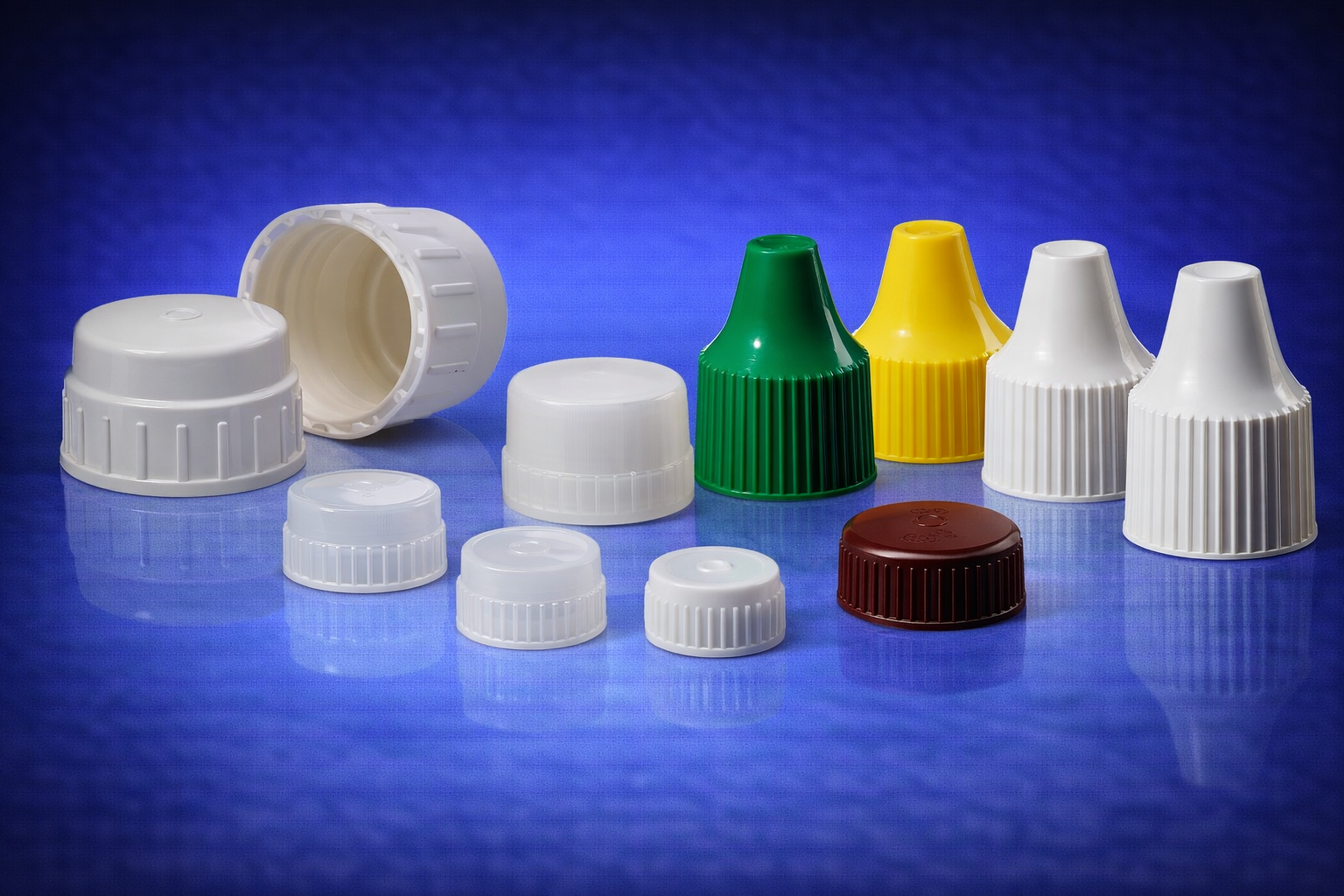
Stoppers and closures create sealed systems that isolate contents within laboratory containers. Inserted or threaded designs form barriers to gases, liquids, and contaminants. Material elasticity and fit govern sealing pressure and permeability. These factors determine containment integrity, evaporation control, and sample stability.
READ MORE

Stoppers and Closures

View as Grid List

19 Items

Set Descending Direction
  1. MAKE AN ACCOUNT

    Track your order history, save items, and more.

    LEARN MORE
  2. OFFICIAL THERMOFISHER SUPPLIER

    McQueen Labs is an authorized Thermo Fisher Scientific distributor, offering factory-direct lab equipment with full manufacturer warranties for trusted performance and reliability.

    As an official Thermo Fisher Scientific Independent Channel Partner, McQueen Labs delivers genuine Thermo Scientific products with expert support, ensuring quality and peace of mind for research and clinical laboratories.

    LEARN MORE
per page

Frequently Asked Questions

How do perforated stoppers function in laboratory setups?
Perforated stoppers contain one or more holes that allow insertion of tubing, thermometers, or probes while maintaining a sealed environment. They are commonly used in distillation or gas transfer setups. This design enables controlled flow or measurement without compromising containment.
What factors should be considered when selecting stoppers and closures?
Key considerations include container size and neck dimensions, material compatibility, temperature resistance, and sealing performance. The application, such as storage or reaction containment, also influences selection. Proper fit and material choice ensure effective sealing and safe operation.
Can stoppers and closures be reused in laboratory environments?
Many stoppers and closures can be reused if properly cleaned and inspected for wear or degradation. Reusable materials such as silicone or glass can withstand repeated use, while some plastics may degrade over time. Reuse depends on application requirements and contamination risk.
How should stoppers and closures be cleaned and maintained?
Cleaning involves washing with appropriate laboratory detergents and rinsing thoroughly to remove residues. Some materials can be autoclaved or sterilized depending on their properties. Regular inspection for cracks, deformation, or chemical damage ensures continued sealing performance.
What role do closures play in maintaining sample integrity?
Closures prevent contamination, evaporation, and exposure to environmental conditions such as humidity or air. A proper seal ensures that samples remain stable and unchanged during storage or processing. This is critical for maintaining accurate and reproducible results in laboratory workflows.