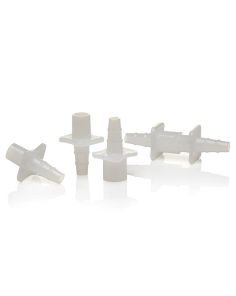
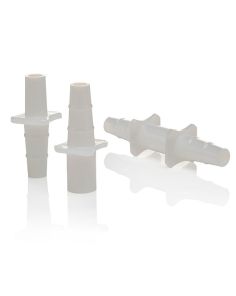

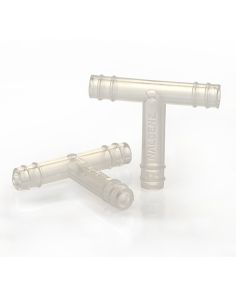

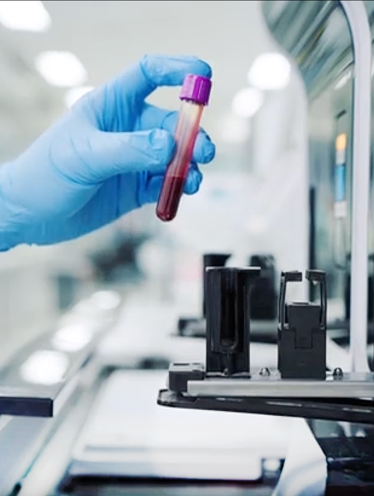
LABORATORY TUBING FOR FLUID TRANSFER

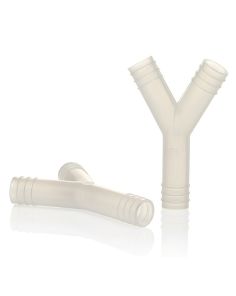
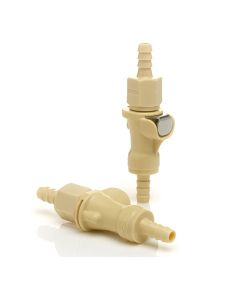
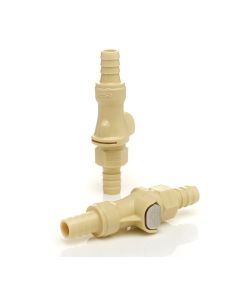
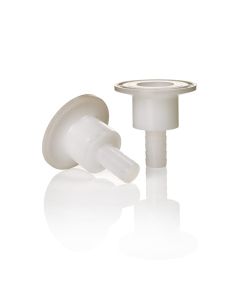
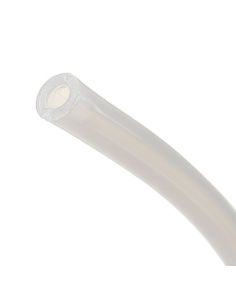
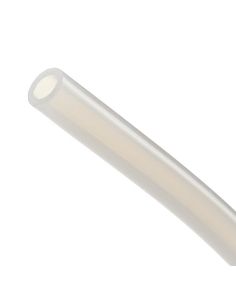
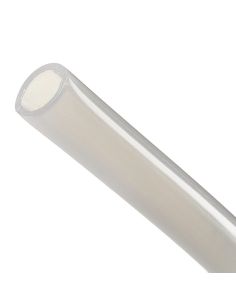
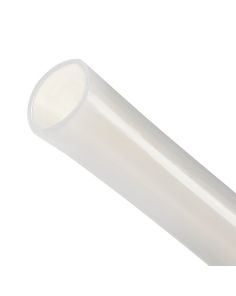
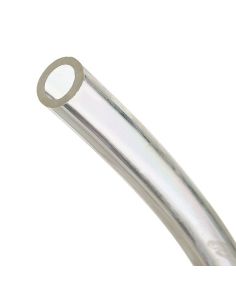
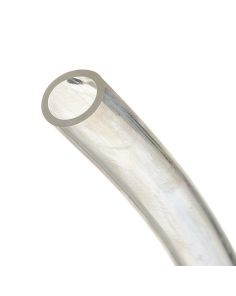
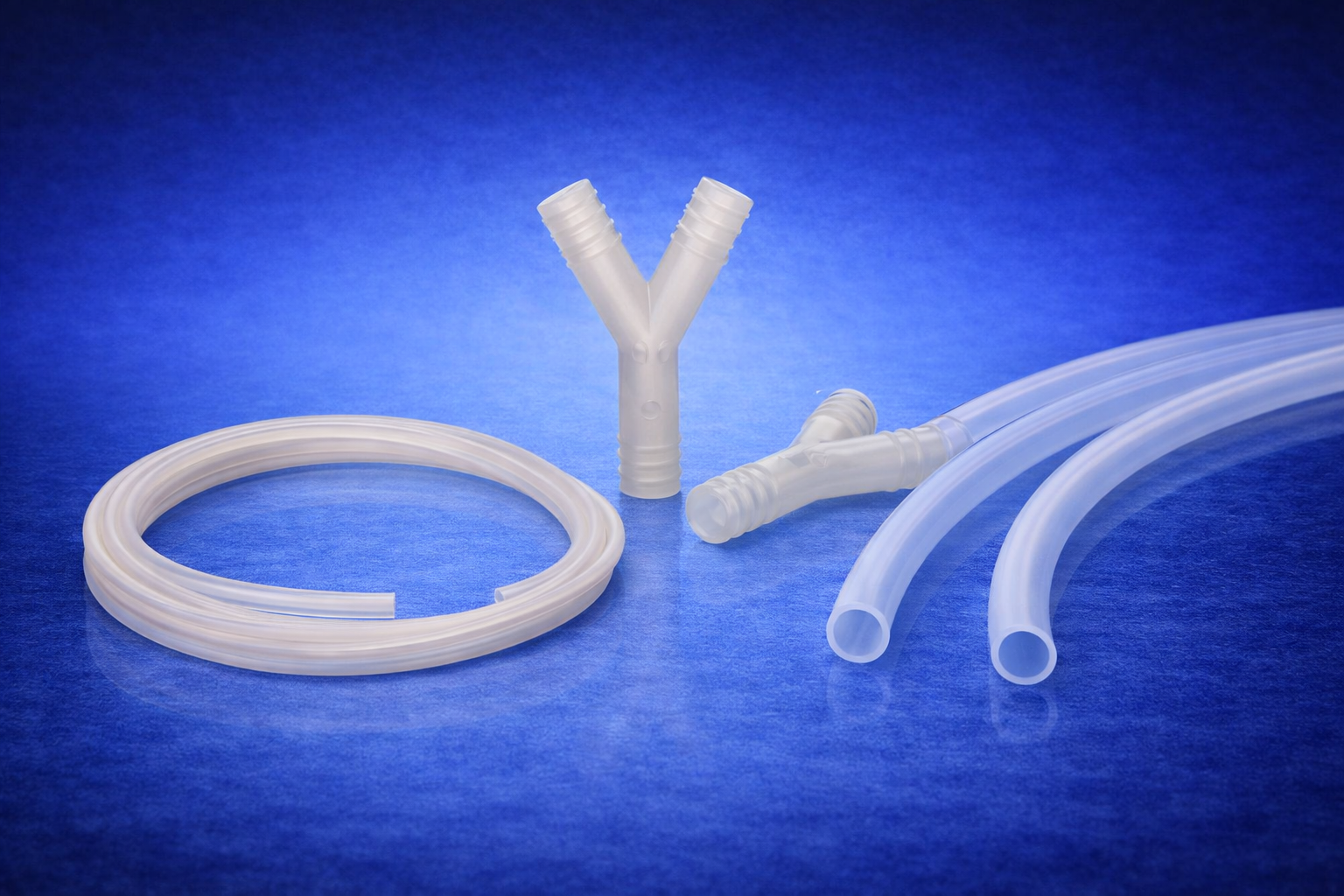
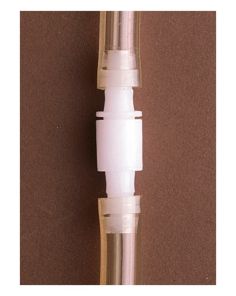
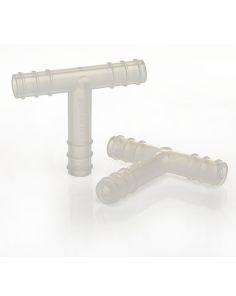
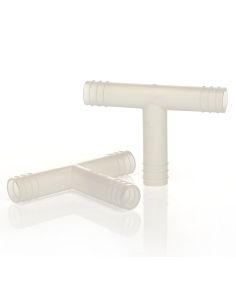
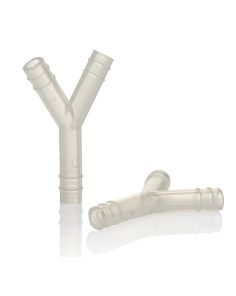
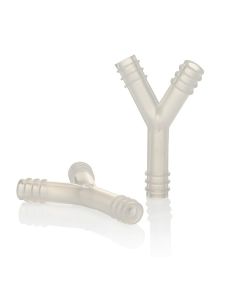
Laboratory tubing facilitates controlled transfer of liquids and gases between equipment and systems. Inner diameter and wall thickness regulate flow rate and pressure tolerance. Material composition, including silicone or PTFE, governs chemical resistance and flexibility . These factors determine flow stability, contamination risk, and system compatibility.
READ MORE

Tubing

View as Grid List

Items 1-24 of 134

Set Descending Direction
  1. MAKE AN ACCOUNT

    Track your order history, save items, and more.

    LEARN MORE
  2. OFFICIAL THERMOFISHER SUPPLIER

    McQueen Labs is an authorized Thermo Fisher Scientific distributor, offering factory-direct lab equipment with full manufacturer warranties for trusted performance and reliability.

    As an official Thermo Fisher Scientific Independent Channel Partner, McQueen Labs delivers genuine Thermo Scientific products with expert support, ensuring quality and peace of mind for research and clinical laboratories.
    LEARN MORE
Page
per page

Frequently Asked Questions

How do you choose the correct tubing size for an application?
Tubing size is defined by inner diameter, outer diameter, and wall thickness. The inner diameter affects flow rate, while wall thickness influences pressure resistance. Selection should match the required flow conditions and fit the connectors or equipment used in the system to ensure proper performance.
What applications require specialized laboratory tubing?
Specialized tubing is used in applications such as chromatography, bioprocessing, vacuum systems, and peristaltic pumping. These workflows often require precise flow control, chemical resistance, or sterility. Selecting application-specific tubing ensures accurate performance and compatibility with laboratory systems.
Can laboratory tubing be sterilized for biological applications?
Some tubing materials, such as silicone and certain thermoplastics, can be sterilized using methods like autoclaving or gas sterilization. Sterilization compatibility depends on the material’s thermal and chemical resistance. Proper sterilization ensures suitability for biological and clinical workflows.
How should laboratory tubing be maintained and replaced?
Tubing should be inspected regularly for signs of wear, discoloration, or degradation. Cleaning or flushing may be required depending on the application. Replacement intervals depend on usage conditions, especially when exposed to chemicals, pressure, or repeated sterilization cycles.
What factors affect flow performance in laboratory tubing systems?
Flow performance is influenced by tubing diameter, length, material flexibility, and internal surface properties. Pressure or vacuum conditions and fluid viscosity also affect flow. Proper selection and system design help maintain consistent and efficient fluid transfer in laboratory operations.