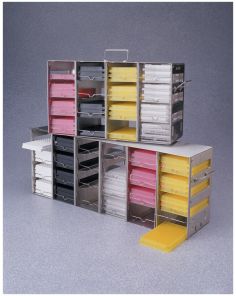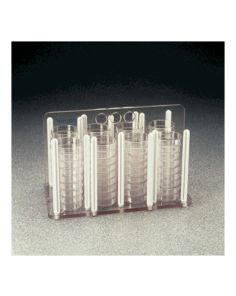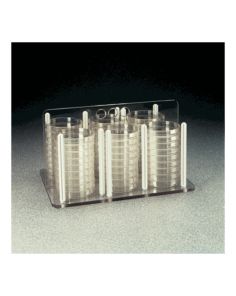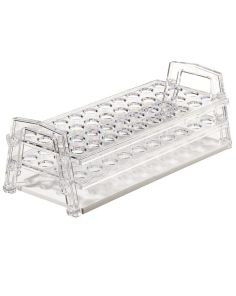











LABORATORY RACKS FOR STORAGE AND ORGANIZATION

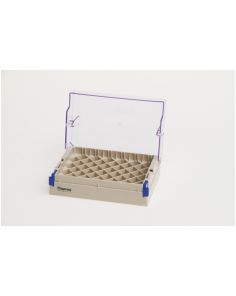
Laboratory racks maintain organized positioning of tubes, vials, and labware during handling and storage. Slot geometry and spacing secure upright alignment for multiple samples simultaneously . Material and design determine compatibility with temperature conditions and sterilization. These factors govern sample stability, accessibility, and workflow efficiency.
READ MORE

Racks

View as Grid List

Items 1-24 of 111

Set Descending Direction
  1. MAKE AN ACCOUNT

    Track your order history, save items, and more.

    LEARN MORE
  2. OFFICIAL THERMOFISHER SUPPLIER

    McQueen Labs is an authorized Thermo Fisher Scientific distributor, offering factory-direct lab equipment with full manufacturer warranties for trusted performance and reliability.

    As an official Thermo Fisher Scientific Independent Channel Partner, McQueen Labs delivers genuine Thermo Scientific products with expert support, ensuring quality and peace of mind for research and clinical laboratories.


    LEARN MORE
Page
per page

Frequently Asked Questions

What materials are laboratory racks typically made from?
Laboratory racks are commonly made from plastics such as polypropylene, as well as metal or coated wire. Plastic racks offer chemical resistance and lightweight handling, while metal racks provide durability and structural strength. Material choice depends on chemical exposure, temperature requirements, and frequency of use.
How do you choose the right rack for a specific application?
Selection depends on the type of labware, sample volume, and workflow requirements. Consider factors such as capacity, hole size, spacing, and compatibility with storage systems or equipment. Choosing the correct rack ensures proper support, efficient organization, and safe handling of samples.
Can laboratory racks be used for transporting samples?
Yes, many racks are designed to support safe transport of samples within a laboratory. They keep containers stable and prevent tipping during movement. For transport outside controlled environments, additional containment and protective packaging may be required.
How should laboratory racks be cleaned and maintained?
Racks should be cleaned regularly using appropriate laboratory detergents and rinsed to remove residues. Some materials can be autoclaved or disinfected depending on application requirements. Routine inspection for damage or deformation helps ensure continued safe use and reliable performance.
What role do racks play in high-throughput laboratory workflows?
Racks enable efficient handling of multiple samples by keeping them organized and accessible. This reduces handling time and minimizes errors during processing. In automated or high-volume environments, racks also support integration with equipment and standardized sample layouts.