
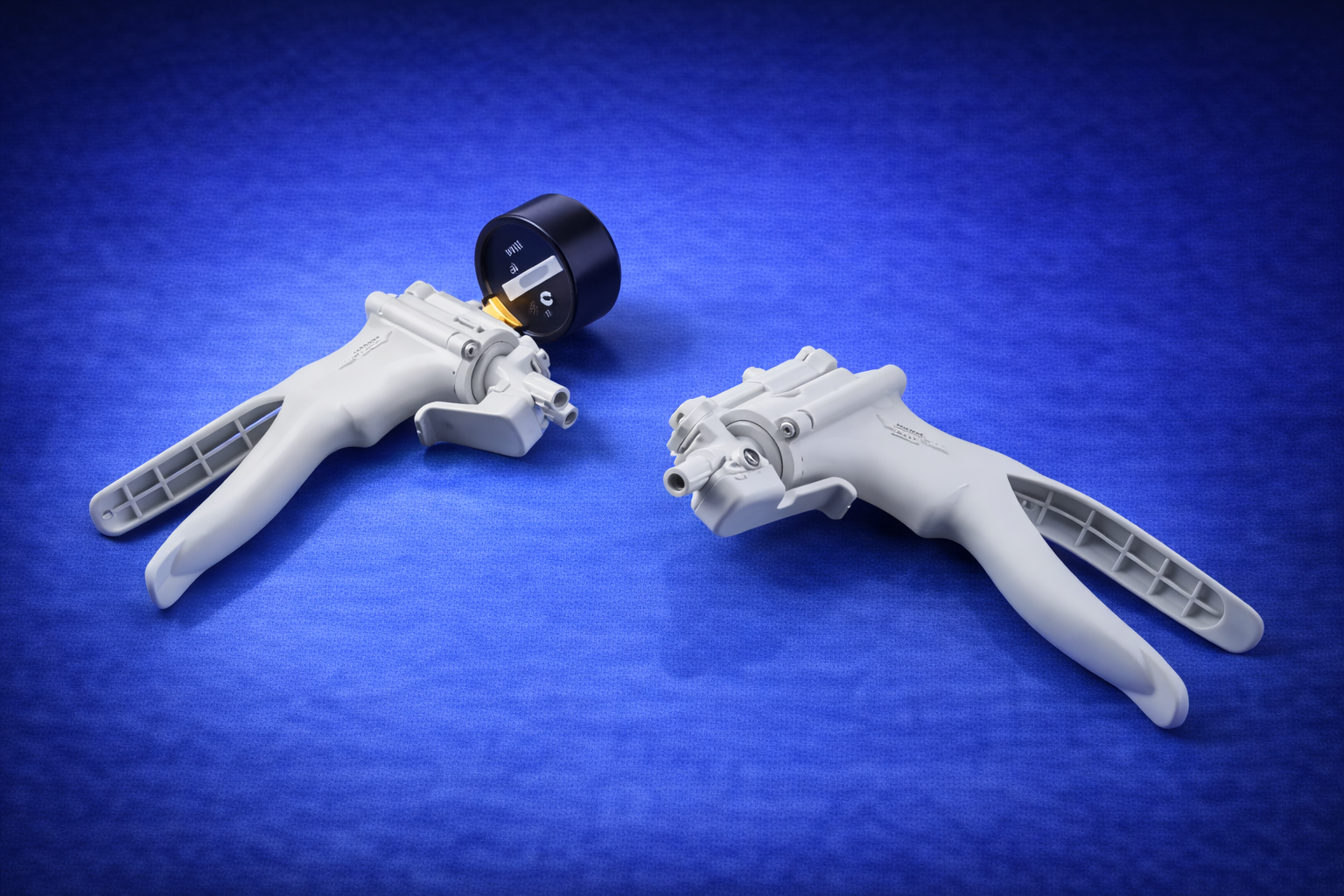
Pumps

Frequently Asked Questions
How do vacuum pumps improve filtration efficiency?
Vacuum pumps reduce pressure within a filtration system, increasing the rate at which liquid passes through filter media. This accelerates filtration compared to gravity methods and improves separation efficiency. Vacuum-assisted filtration is commonly used in laboratory sample preparation and purification processes.
What factors should be considered when selecting a laboratory pump?
Key factors include required flow rate, pressure or vacuum level, chemical compatibility, and application type. Additional considerations include maintenance requirements, noise level, and integration with existing equipment. Selecting the appropriate pump ensures reliable operation and optimal performance for specific laboratory tasks.
What is an oil-free pump, and when is it used?
An oil-free pump operates without lubricating oil, reducing the risk of contamination and simplifying maintenance. These pumps are commonly used in applications involving sensitive samples or clean environments. They are particularly suitable for analytical workflows where purity and minimal maintenance are important.
Can laboratory pumps be used for continuous operation?
Many laboratory pumps are designed for continuous or extended operation, depending on their construction and cooling mechanisms. Peristaltic and diaphragm pumps are often used for continuous flow applications. It is important to verify duty cycle specifications to ensure reliable long-term performance.
How should laboratory pumps be maintained for consistent performance?
Maintenance includes regular inspection of tubing, seals, and moving components, as well as cleaning to prevent buildup of residues. Some pumps may require periodic replacement of parts such as diaphragms or tubing. Proper maintenance ensures consistent flow rates, prevents leaks, and extends equipment lifespan.