


MICROPLATES FOR LABORATORY APPLICATIONS

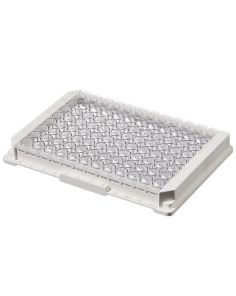
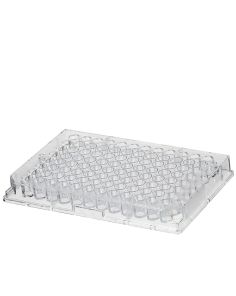
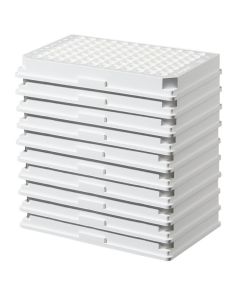
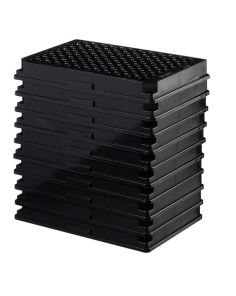
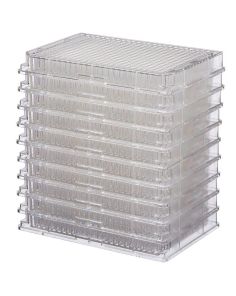
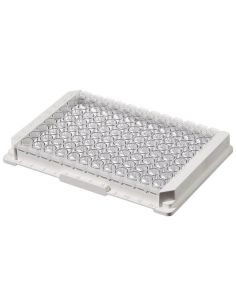
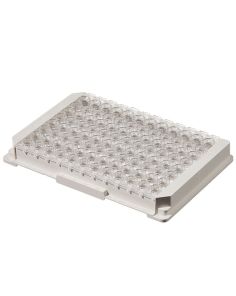
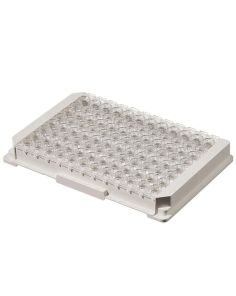
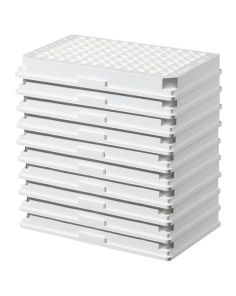
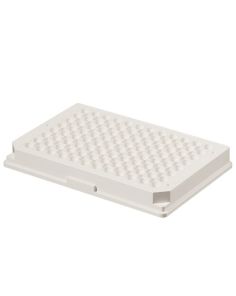
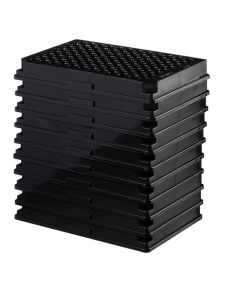
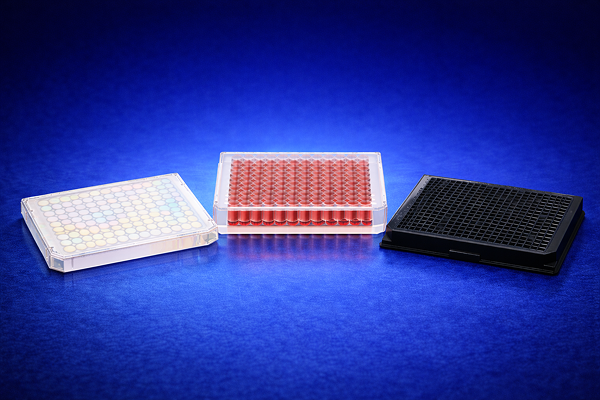
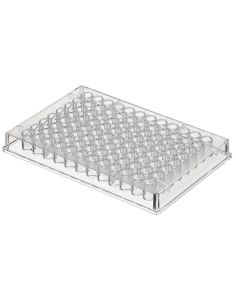
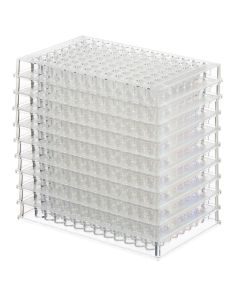
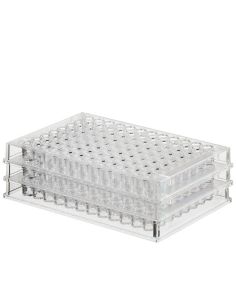
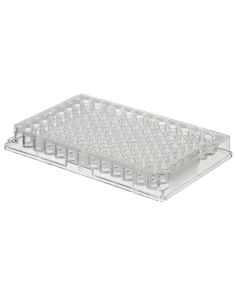
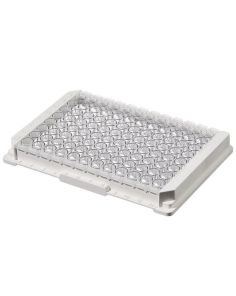
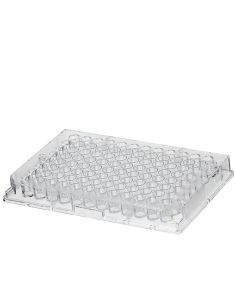
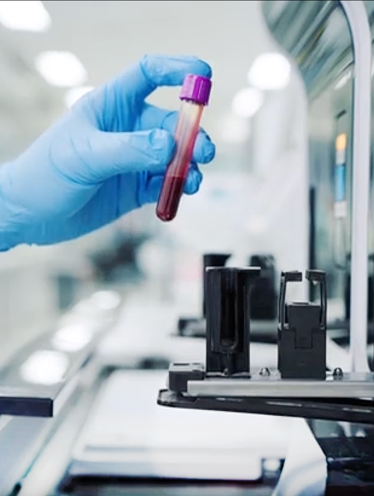
Microplates are multi-well laboratory plates that function as parallel reaction arrays for high-throughput sample processing. Standardized well formats enable simultaneous handling of microliter-scale volumes under controlled conditions. Well geometry, surface treatment, and material govern binding, optical detection, and liquid handling accuracy.
READ MORE

Microplates

View as Grid List

Items 1-24 of 280

Set Descending Direction
  1. MAKE AN ACCOUNT

    Track your order history, save items, and more.

    LEARN MORE
  2. OFFICIAL THERMOFISHER SUPPLIER

    McQueen Labs is an authorized Thermo Fisher Scientific distributor, offering factory-direct lab equipment with full manufacturer warranties for trusted performance and reliability.

    As an official Thermo Fisher Scientific Independent Channel Partner, McQueen Labs delivers genuine Thermo Scientific products with expert support, ensuring quality and peace of mind for research and clinical laboratories.
    LEARN MORE
Page
per page

Frequently Asked Questions

How do I choose the correct microplate format for my application?
Selection depends on assay type, throughput requirements, and instrumentation compatibility. Lower well counts (e.g., 6–24 wells) are typically used for cell culture, while higher densities (96–384 wells) support high-throughput screening. Consider well volume, geometry (flat, round, V-bottom), and whether optical clarity or chemical resistance is required for detection methods.
What is the difference between surface-treated and non-treated microplates?
Surface-treated microplates are modified to enhance cell adhesion or biomolecule binding, commonly used in cell culture and ELISA workflows. Non-treated plates have hydrophobic surfaces suitable for suspension cultures or applications where binding is not desired. The choice depends on whether attachment or low-binding conditions are required for the assay.
Are microplates compatible with automated liquid handling systems?
Most microplates are manufactured to ANSI/SLAS standards, ensuring compatibility with automated liquid handlers, plate readers, and robotic systems. However, users should verify dimensions, well spacing, and plate height specifications, particularly for specialized plates such as deep-well or filter plates, to ensure proper integration with specific equipment.
How do filtering microplates work in sample preparation?
Filtering microplates incorporate membrane filters at the base of each well, allowing separation of particulates, cells, or precipitates from liquid samples. Centrifugation or vacuum pressure is applied to drive the sample through the membrane, enabling efficient clarification, purification, or buffer exchange in multi-sample workflows.
What factors affect binding efficiency in assay microplates?
Binding efficiency depends on surface chemistry, coating type, and the physicochemical properties of the analyte. High-binding plates are optimized for proteins and antibodies, while medium- or low-binding surfaces may be used to reduce nonspecific interactions. Buffer composition, incubation time, and temperature also influence binding performance.