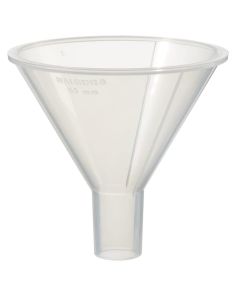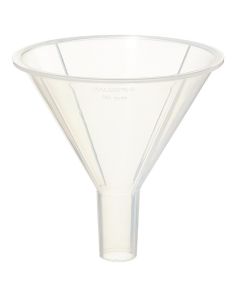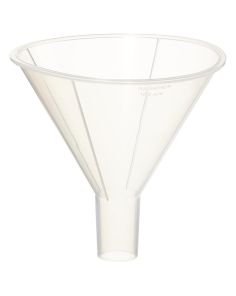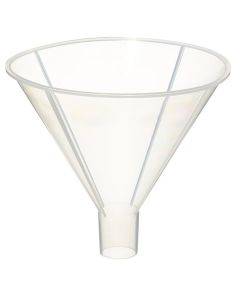
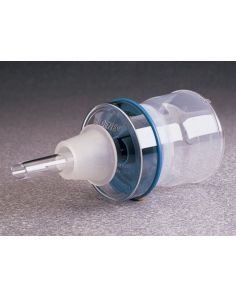
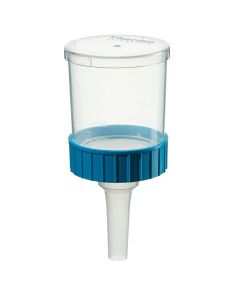
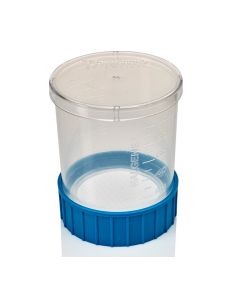

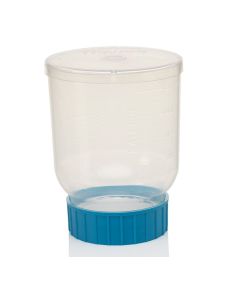

LABORATORY FUNNELS FOR FILTRATION AND TRANSFER

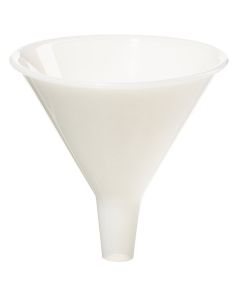
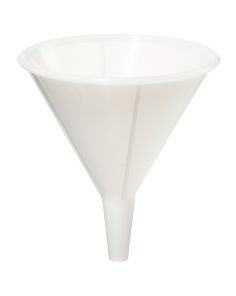
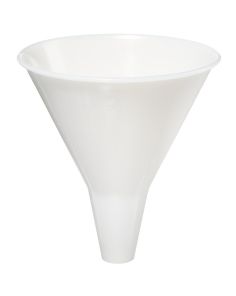
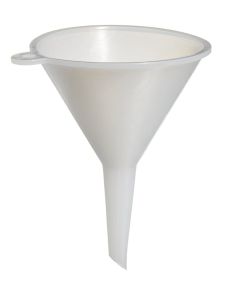
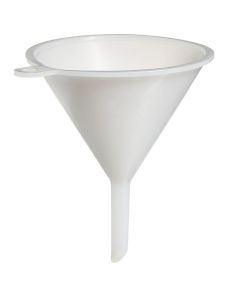
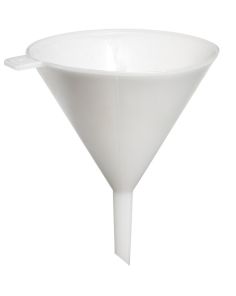
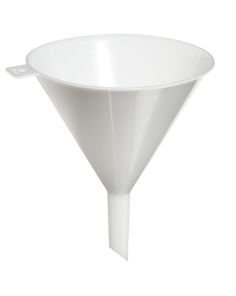
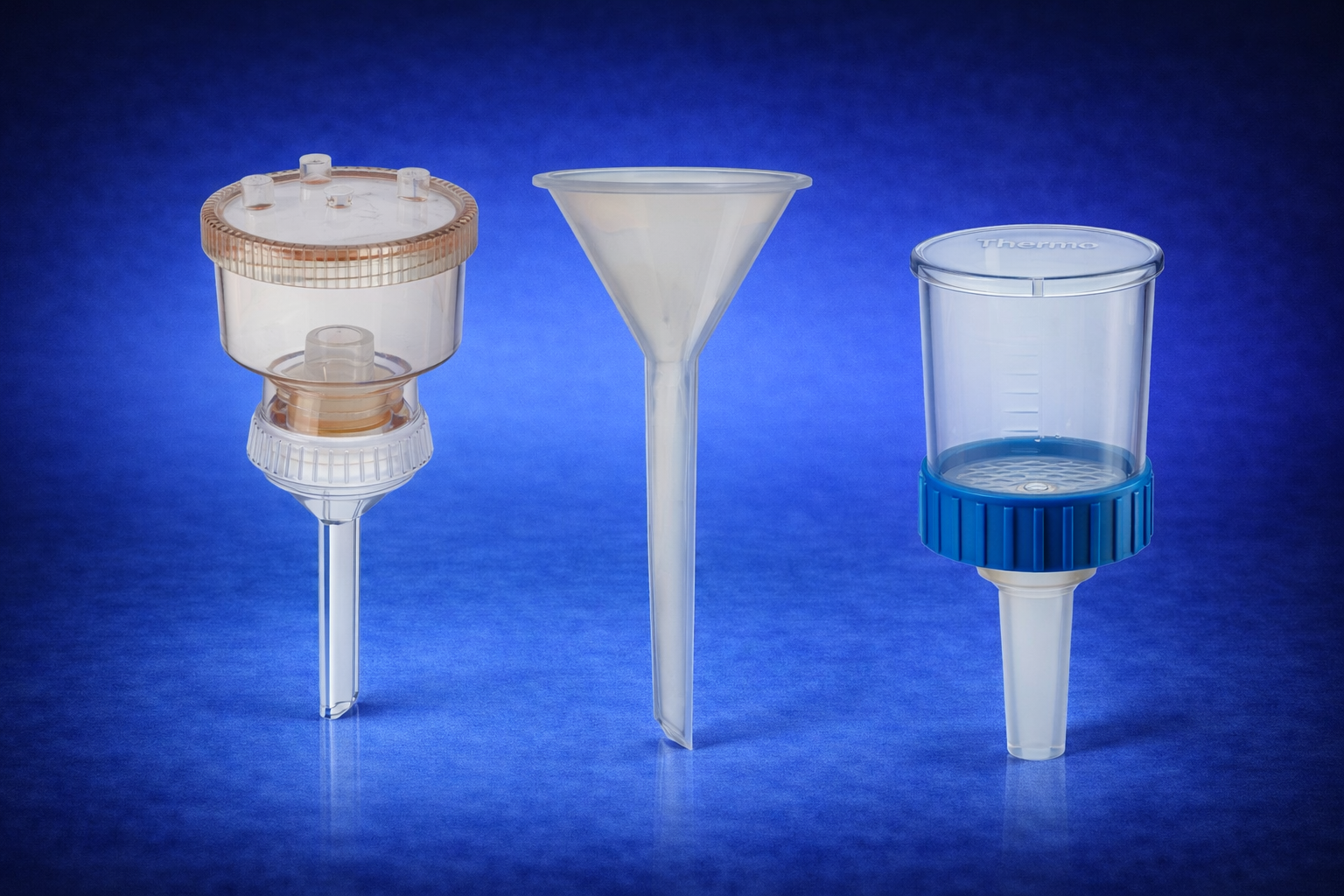
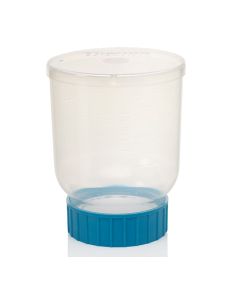
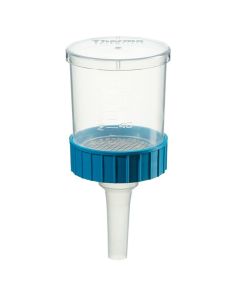
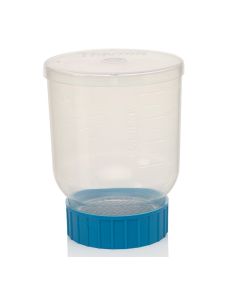
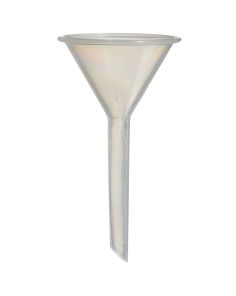
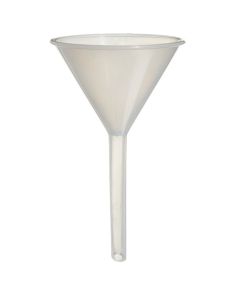
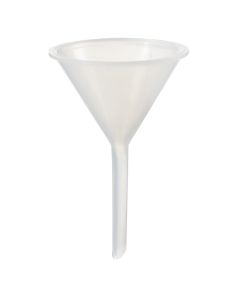
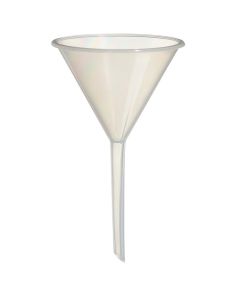
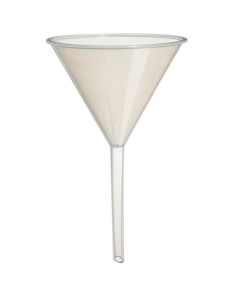
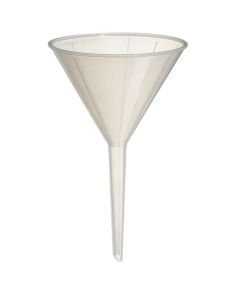
Funnels channel liquids and powders into narrow vessels while supporting filtration and separation workflows. Conical geometry directs flow, while stems regulate discharge rate. Filter media or vacuum pressure enable solid–liquid separation. These mechanisms control flow efficiency, particle retention, and transfer accuracy.
READ MORE

Funnels

View as Grid List

Items 1-24 of 47

Set Descending Direction
  1. MAKE AN ACCOUNT

    Track your order history, save items, and more.

    LEARN MORE
  2. OFFICIAL THERMOFISHER SUPPLIER

    McQueen Labs is an authorized Thermo Fisher Scientific distributor, offering factory-direct lab equipment with full manufacturer warranties for trusted performance and reliability.

    As an official Thermo Fisher Scientific Independent Channel Partner, McQueen Labs delivers genuine Thermo Scientific products with expert support, ensuring quality and peace of mind for research and clinical laboratories.
    LEARN MORE
Page
per page

Frequently Asked Questions

How do you choose the right funnel size and type?
Selection depends on the volume of liquid, container opening size, and whether filtration is required. Larger funnels are suitable for higher volumes, while smaller funnels provide better control for precise transfers. The type of funnel should match the application, such as filtration or simple pouring.
What materials are commonly used for laboratory funnels?
Funnels are typically made from borosilicate glass or plastic materials such as polypropylene. Glass funnels offer high chemical resistance and temperature tolerance, while plastic funnels provide durability and resistance to breakage. Material selection depends on the application and handling conditions.
Can funnels be used for vacuum filtration setups?
Yes, specialized funnels such as Büchner or filter funnels are designed for vacuum filtration. These funnels are used with vacuum flasks and filtration systems to accelerate liquid flow and improve separation. Standard funnels are not suitable for vacuum applications.
How should laboratory funnels be cleaned and maintained?
Funnels should be cleaned with appropriate laboratory detergents and rinsed thoroughly to remove residues. For applications requiring sterility, additional cleaning or sterilization may be necessary. Regular inspection for cracks or damage ensures reliable performance and safe use.
What factors affect filtration efficiency when using funnels?
Filtration efficiency depends on factors such as filter media type, pore size, funnel design, and flow rate. Proper fitting of filter paper and consistent pouring technique also influence results. Selecting appropriate materials and setup ensures effective separation and reproducibility.