


CLINICAL SPECIMEN COLLECTION SUPPLIES

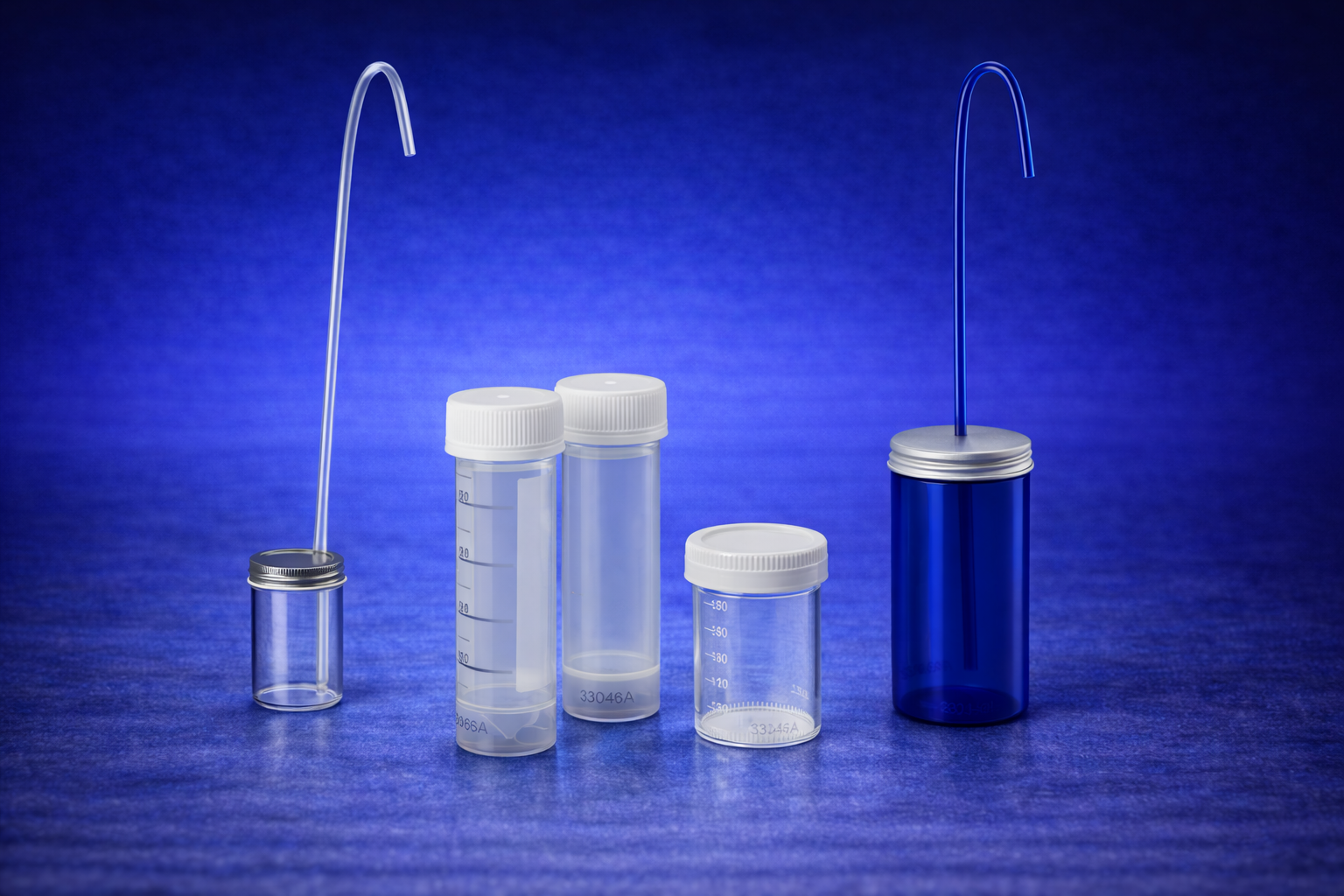
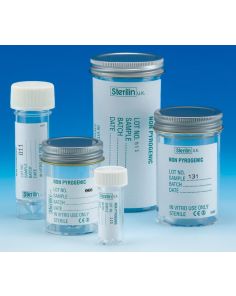
Clinical specimen collection systems capture and stabilize biological samples for diagnostic analysis. Containers, swabs, and tubes maintain sterility and preserve analytes during transport. Additives and sealing mechanisms control contamination and degradation. These factors directly impact sample integrity and diagnostic accuracy.
READ MORE

Clinical Specimen Collection

View as Grid List

Items 1-24 of 40

Set Descending Direction
  1. MAKE AN ACCOUNT

    Track your order history, save items, and more.

    LEARN MORE
  2. OFFICIAL THERMOFISHER SUPPLIER

    McQueen Labs is an authorized Thermo Fisher Scientific distributor, offering factory-direct lab equipment with full manufacturer warranties for trusted performance and reliability.

    As an official Thermo Fisher Scientific Independent Channel Partner, McQueen Labs delivers genuine Thermo Scientific products with expert support, ensuring quality and peace of mind for research and clinical laboratories.

    LEARN MORE
Page
per page

Frequently Asked Questions

How does proper specimen collection impact diagnostic accuracy?
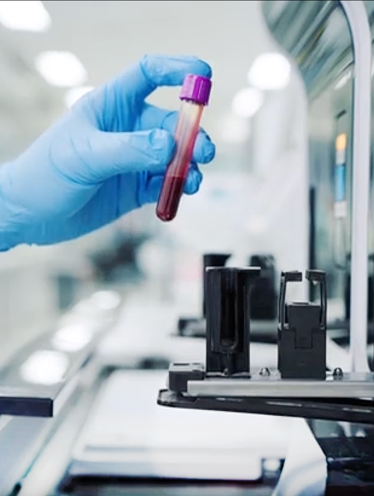
Proper specimen collection ensures that samples remain uncontaminated and representative of the patient’s condition. Using appropriate containers, maintaining sterility, and following correct handling procedures help prevent degradation or interference. This directly affects the reliability of laboratory results and supports accurate clinical diagnosis and treatment decisions.
What is the difference between general specimen containers and urine collection containers?
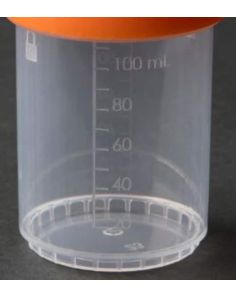
General specimen containers are designed for a variety of biological samples, while urine collection containers are specifically optimized for urine testing workflows. Urine containers may include features such as larger volumes or specialized closures to accommodate collection requirements. The distinction ensures compatibility with specific diagnostic procedures.
Are urine collection containers compatible with automated laboratory systems?
Many urine collection containers are designed to be compatible with automated laboratory analyzers and transport systems. This includes standardized sizes and features that support sample handling and processing. Compatibility should be confirmed based on the specific equipment used in the laboratory.
How should clinical specimen containers be stored before use?
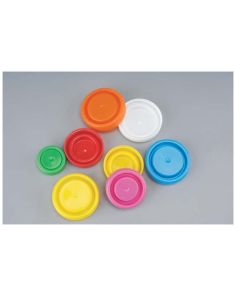
Containers should be stored in a clean, dry environment, preferably in their original packaging to maintain sterility if applicable. Exposure to contaminants or extreme conditions should be avoided. Proper storage ensures that the containers remain suitable for clinical use and do not compromise sample quality.
What safety considerations are important when handling specimen collection products?
Handling should follow standard biosafety protocols, including the use of personal protective equipment and proper sealing of containers. Leak-proof closures and secure transport methods are essential to prevent exposure to biological materials. Compliance with regulatory guidelines helps ensure safe handling and disposal.