
Burettes

Frequently Asked Questions
How does a burette work in a titration experiment?
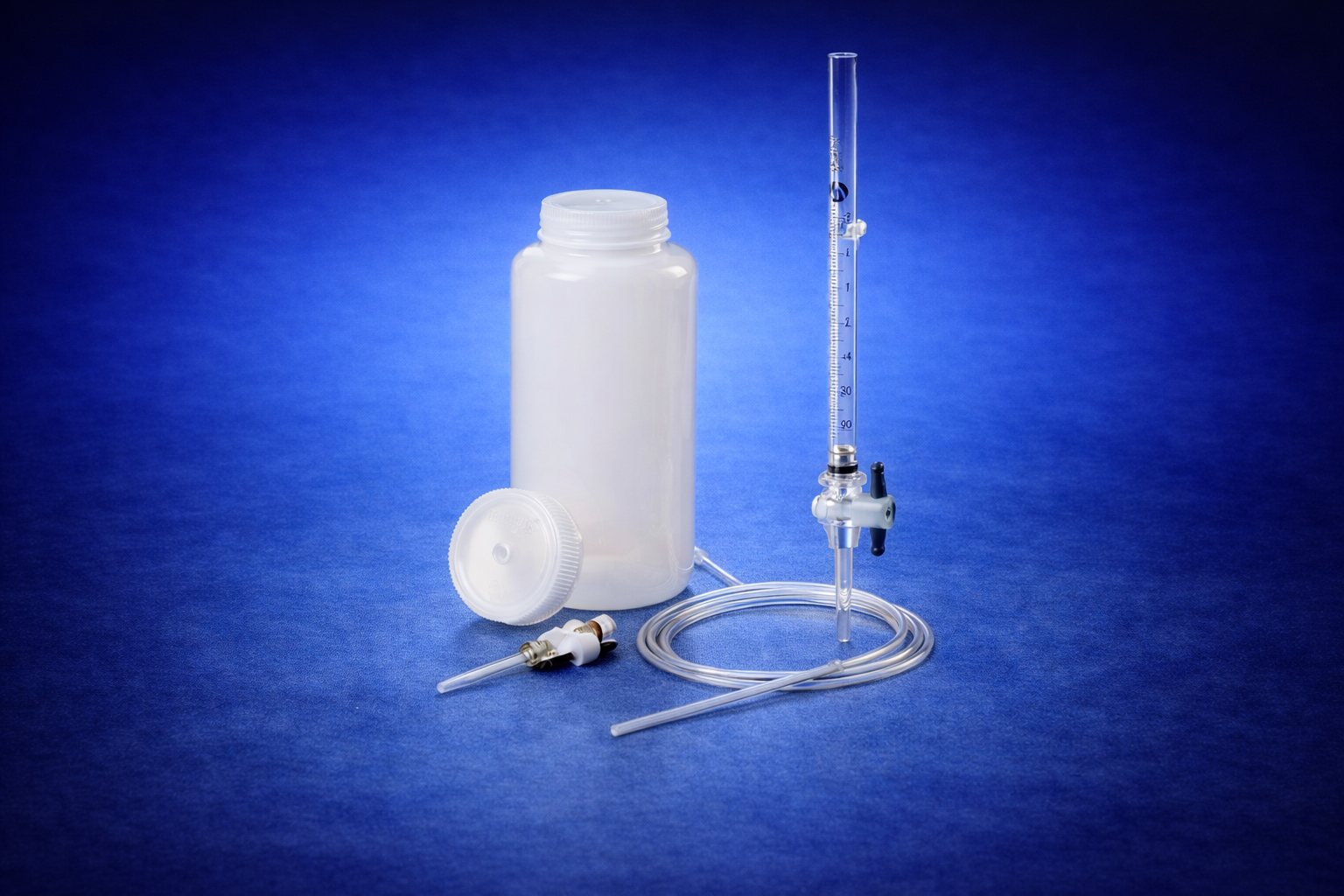
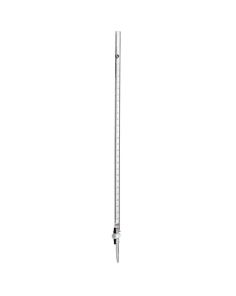
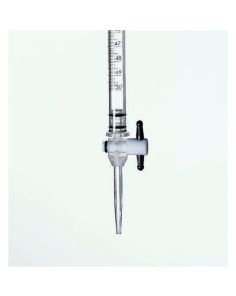
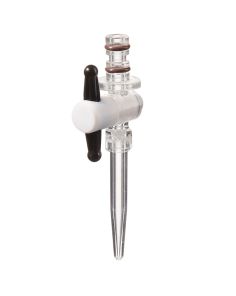
A burette works by allowing controlled release of a liquid reagent through a stopcock, enabling precise addition to a reaction mixture. The user monitors the volume dispensed using graduated markings and observes changes in the solution, such as color shifts. This controlled delivery is essential for determining reaction endpoints and calculating concentrations accurately.
Is an automatic burette more accurate than a manual burette?
Automatic burettes can improve consistency and reduce user-related variability, particularly in repetitive workflows. While both types can provide high accuracy when properly calibrated, automatic systems help minimize errors in filling and dispensing. The choice depends on workflow efficiency needs and the level of manual control required.
What is the difference between a general-purpose burette and an automatic burette?
General-purpose burettes are manually operated and rely on user control for filling and dispensing, making them suitable for standard titration procedures. Automatic burettes incorporate integrated systems for controlled filling and delivery, improving efficiency in repetitive analyses. The key difference lies in automation and workflow optimization.
Are burettes compatible with all types of chemical solutions?
Compatibility depends on the material of the burette and its components, including the stopcock. Borosilicate glass is resistant to many chemicals, but strong alkalis or certain solvents may require specialized materials. It is important to verify compatibility to prevent damage or contamination during use.
How do you properly read a burette measurement?
Burette measurements are read at the bottom of the meniscus, with the eye positioned at the same level to avoid parallax error. Proper lighting and a clear background can improve visibility. Accurate reading is critical for ensuring precise volume determination in analytical procedures.